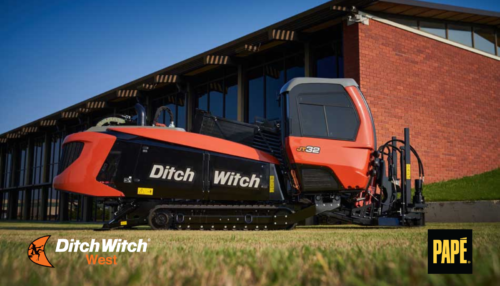




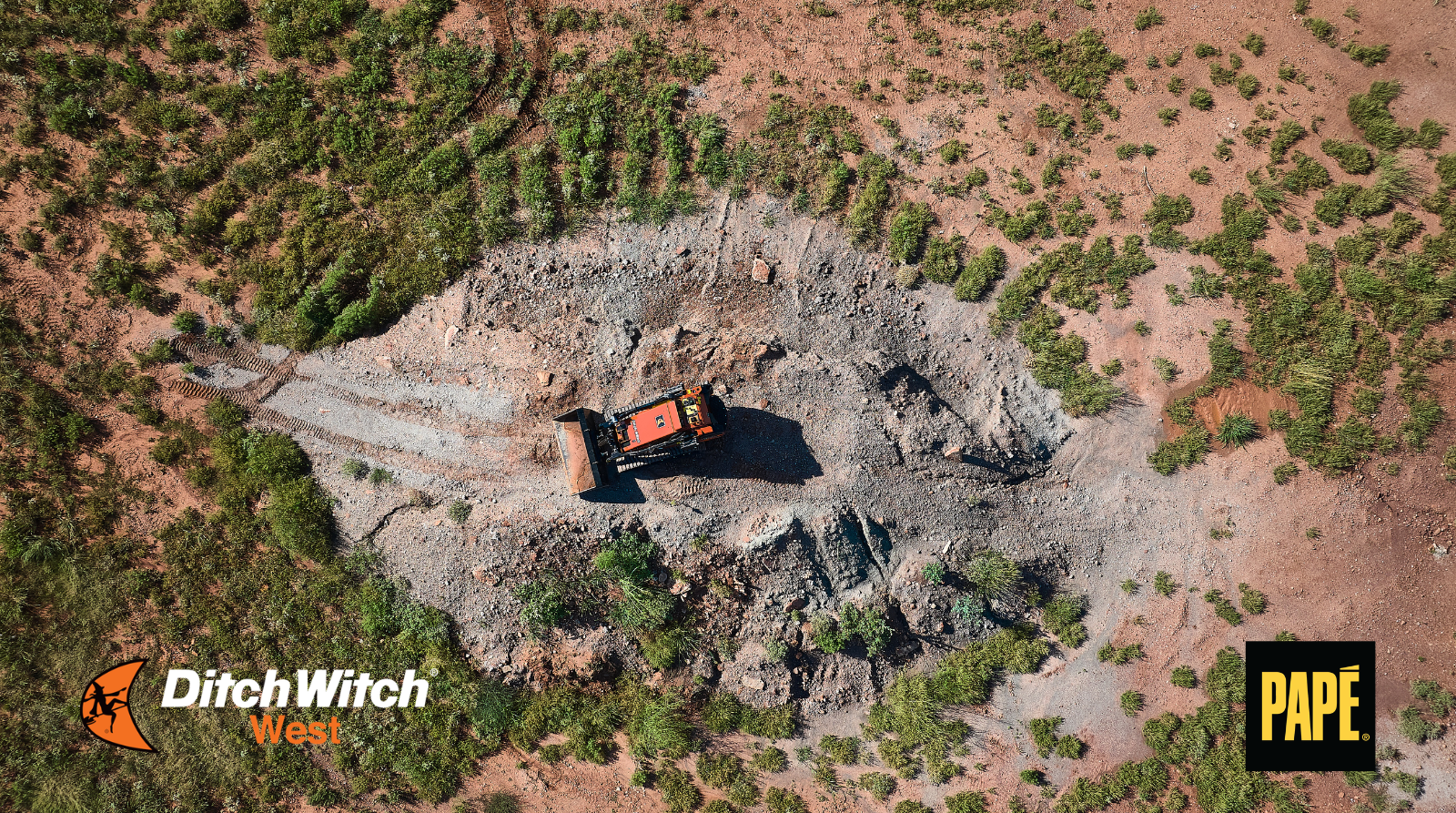
A skid steer can change the way you take care of a property. With a compact footprint, strong hydraulic power, and the right attachment setup, one machine can help with digging, grading, hauling, cleanup, and routine maintenance. That makes it a practical choice for acreage owners, landscapers, utility crews, construction teams, farms, and commercial properties.
Why Skid Steers Are So Useful on Private and Commercial Properties
The biggest advantage of a skid steer is its versatility. Instead of bringing in a different machine for every task, operators can use buckets, forks, trenchers, augers, grapples, rakes, and other attachments to match the project. That flexibility is valuable on properties where the work changes throughout the year.
Compact size also matters. A stand-on mini skid steer can fit through tight spaces around gates, barns, side yards, fences, landscaped areas, and active jobsites.
Landscaping, Yard Renovation, and Site Prep
Landscaping projects often involve heavy materials and repetitive labor. A skid steer speeds up the process by moving more material in fewer passes. Use a bucket to place topsoil, compost, bark, mulch, gravel, sand, or decorative rock exactly where it’s needed.
A skid steer can also help remove old landscaping before new work begins. Sod, brush, loose roots, small debris, and unwanted groundcover can be cleared more efficiently with the right attachments. Rakes, tillers, and power rake attachments can help break up compacted ground and prepare areas for turf, garden beds, patios, or pathways.
Trenching for Irrigation, Drainage, and Utility Lines
Skid steers are a natural fit for trenching work when paired with a trencher attachment. That can be helpful for irrigation updates, drainage improvements, electrical conduit, water lines, landscape lighting, and utility prep for sheds, shops, barns, and outbuildings.
This is a strong match for Ditch Witch equipment because underground work is a core part of the lineup. Skid steer trencher attachments give operators the ability to add trenching capability without switching to a dedicated machine.
Before digging, always call for utility locating, confirm trench depth, review soil conditions, and map access points. A clear plan helps protect existing utilities, avoid rework, and keep the trench route aligned with the finished project.
Material Handling Around the Property
A skid steer can make material handling easier on almost any property. With pallet forks operators can move pavers, block, sod, bagged material, feed, fencing supplies, equipment, and tools closer to work areas. With a bucket, they can relocate gravel, sand, mulch, compost, soil, firewood, rock, and debris.
That saves time and helps reduce strain on crews. Rather than carrying heavy loads across uneven ground, workers can stage materials where they are needed. Skid steers are also useful for loading trucks, trailers, dumpsters, and material bins. Common material handling attachments include:
- General-purpose buckets
- Light material buckets
- Pallet forks
- Grapples
- Rakes and cleanup attachments
Brush, Debris, and Cleanup Work
Cleanup work piles up quickly after storms, tree trimming, fence repairs, grading, construction, or seasonal maintenance. A skid steer can help clear branches, brush, leaves, scrap, broken concrete, old landscape material, loose rock, and other debris.
Grapple attachments are useful for irregular material that can be awkward to handle with a standard bucket. They can grab, hold, and move bulky debris more securely, which makes cleanup faster and more controlled. Buckets are helpful for loose material and loading debris into trailers or containers.
Grading, Leveling, and Driveway Maintenance
Uneven ground can create problems across a property. Gravel driveways develop ruts. Parking areas form potholes. Work yards settle. Low spots collect water. A skid steer can help reshape these surfaces and keep them usable.
With the right grading or bucket attachment, operators can smooth gravel, fill ruts, level small pads, and prepare areas for sheds, greenhouses, storage zones, patios, and equipment paths. Skid steers can also help redirect runoff.
Fence, Post, and Seasonal Projects
Many property projects involve digging and lifting at the same time. With an auger attachment, operators can dig holes for fencing, gates, signs, small structures, landscaping features, and property improvements. With fork attachments or a bucket, the same machine can carry posts, panels, concrete bags, lumber, tools, and other supplies.
A skid steer can also stay useful throughout the year. It can help with spring cleanup, summer irrigation work, fall brush clearing, and winter cleanup between storms. That year-round value makes ownership a smart option for properties with recurring maintenance needs.
Choosing the Right Skid Steer and Attachments
The best setup depends on the work you plan to do most often. Before choosing a model or attachment package, consider:
- Property size and access points
- Terrain, slope, and soil conditions
- Lift capacity needs
- Attachment requirements
- Transport needs
- Frequency of use
- New and used options
- Parts and service support
Get More Done With One Versatile Machine
A skid steer can help you take on more property work with less manual labor and fewer machines. Landscaping, trenching, material handling, cleanup, grading, fencing, and seasonal maintenance all become more manageable with the right machine and attachments.
Ready to compare models or plan your attachment setup? Contact your local Ditch Witch West team to find the skid steer solution that fits your next project.
Support Keeps the Work Moving
With Ditch Witch West you get fast parts access, reliable service, experienced technicians, and support that understands trenching, drilling, vacuum excavation, compact equipment, and underground work.