



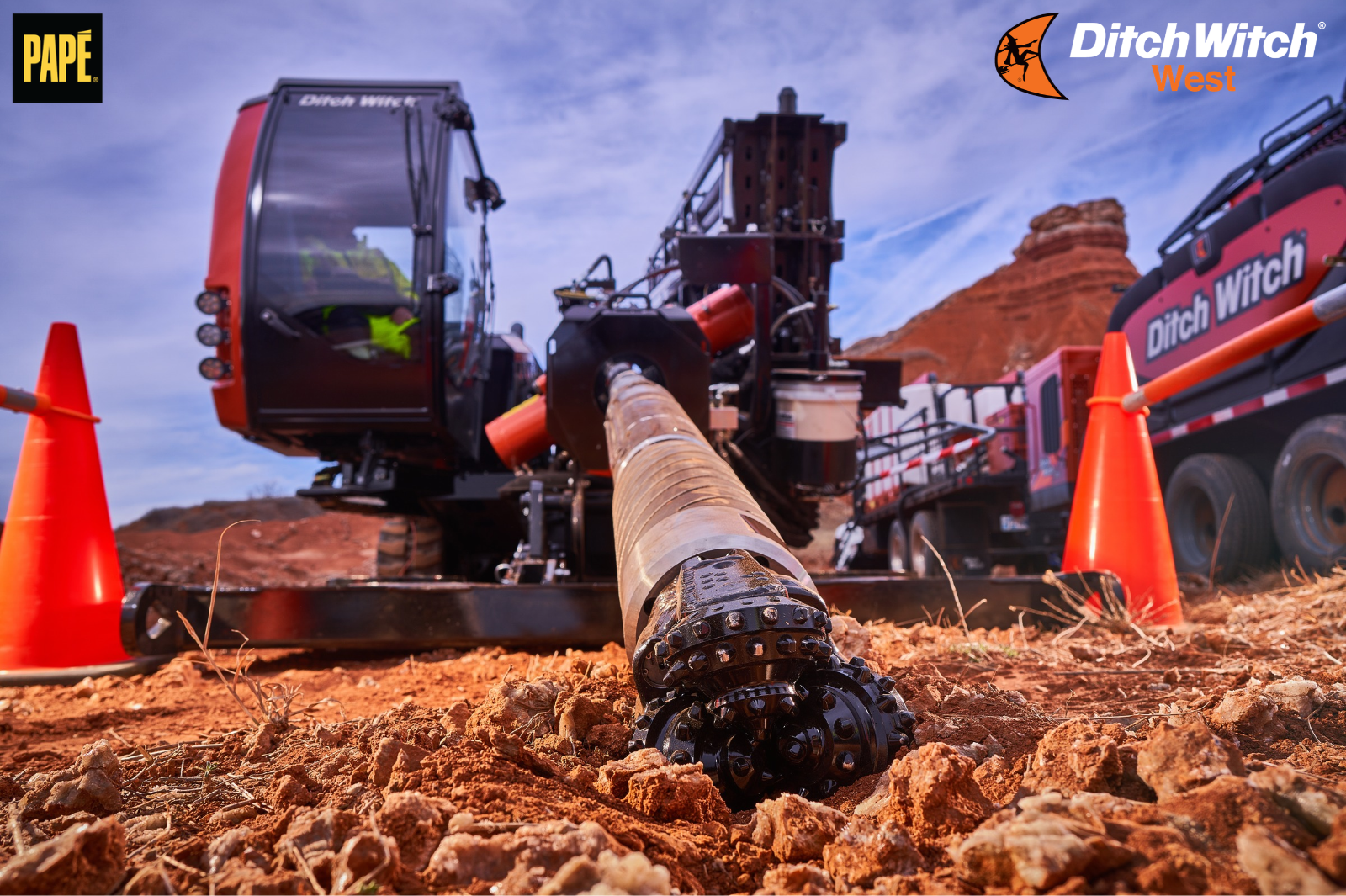
Footage alone does not define a job. Formation type can influence tooling selection, fluid design, steering response, penetration rate, pullback strategy, spoil handling, machine loading and overall production.
Experienced HDD and utility contractors know that a bore profile that looks simple on paper can become far more demanding when crews encounter transitions between sand, cohesive clay, cobble or rock. The more variable the formation, the more crucial it is to build flexibility into the plan before the first rod hits the ground.
Subsurface Conditions Should Drive the Bore Plan
Proper preconstruction planning includes as much subsurface information as possible. Geotechnical reports, test pits, potholing, utility records and previous work in the area can all provide clues about what your drill may encounter – influencing several decisions:
- Drill class and torque requirements
- Pilot-bit and housing selection
- Reamer configuration
- Drilling-fluid properties
- Expected fluid volume
- Pullback strategy
- Spoil containment and removal
- Vacuum excavation requirements
- Trenching chain and tooth selection
Ditch Witch West offers a range of directional drills for different ground conditions and project demands. Choosing between conventional and all-terrain drilling is ideally based on more than machine size. Formation hardness, steering requirements, bore length and anticipated transitions matter.
Rock: Torque, Tooling and Formation Engagement
Competent rock changes both the cutting process and the loads placed on the drill string. In these conditions, production depends heavily on maintaining effective contact between the cutting structure and the formation. Insufficient torque, an improperly matched bit or excessive penetration pressure can reduce efficiency and accelerate tooling wear.
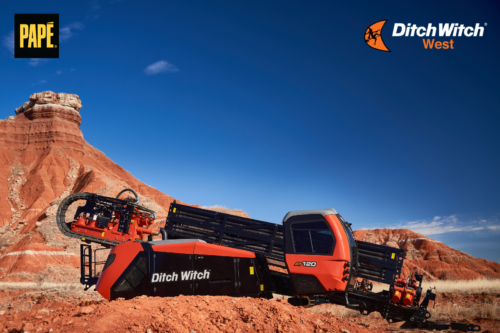
For harder formations, all-terrain directional drills are key for contractors working where conventional mud-motor or soft-ground configurations aren’t cutting it. Ditch Witch All Terrain systems use a dual-pipe design to provide mechanical power and steering capability in difficult ground.
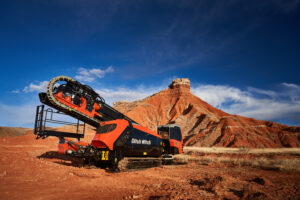
Operators should closely monitor rotational torque, thrust, penetration rate and tooling response. If there is a sudden increase in torque or reduction in footage per rod, it could be a sign of formation change, worn tooling or poor cuttings evacuation.
Rock bores also rely heavily on reaming strategy. Reamer style, pass diameter and pullback speed should be chosen with consideration for formation strength and volume of material being removed.
Clay: Control Hydration, Balling and Cuttings Transport
Clay can create high production rates in the right conditions, but it can also become one of the more difficult formations to manage when fluid chemistry and tooling are not aligned.
Reactive or highly plastic clay adheres to the bit, housing and reamer–leading to balling and reduced cutting efficiency. Fluid formulation then has to focus on clay inhibition while maintaining enough viscosity and flow to transport cuttings.
Crews should monitor returns closely. Changes in return volume, cuttings size or pump pressure can indicate that the bore is no longer cleaning efficiently.
Spoil handling also becomes a larger part of production planning. Sticky material can quickly consume tank capacity and slow down vacuum excavation or recycling processes.
And for open-cut applications, trenching components should match the formation. As our trencher tooth selection guidance notes, cup-style teeth are commonly used in softer soils, including clay and sandy conditions.
Sand: Maintain Bore Integrity and Manage Fluid Loss
While sand often cuts easily, keeping the hole open is another story. Loose or unconsolidated formations can slough into the bore, interfere with steering and create problems during reaming or pullback. Drilling-fluid design therefore becomes critical.
In these conditions, crews should prioritize viscosity, gel strength and filtration control to stabilize the bore wall and suspend cuttings. Flow rate also needs to be sufficient to move material without creating unnecessary pressure.
Fluid loss should be monitored throughout the bore. Significant changes in returns often indicate porous material, fractures or an unstable section of the bore path.
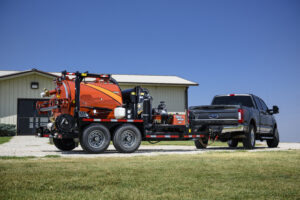
On utility-exposure and cleanup work, vacuum excavators allow crews to expose existing infrastructure, manage spoil and keep the work area productive. Ditch Witch West offers both hydro and air excavation options for different ground and utility conditions.
Mixed Formations Require Adaptability
Transition zones often create more difficulty than uniform ground. A drill may move quickly through clay, slow dramatically in cobble and then enter rock. Each transition can change torque demand, steering response, fluid requirements and cuttings behavior.
Experienced crews watch the machine for those changes. Torque, thrust, fluid pressure, penetration rate and return characteristics provide real-time information about what is happening downhole.
This is why contractors working in variable geology should avoid building a job around a single tooling configuration. Alternative bits, reamers and fluid additives may save significant time when formations change unexpectedly.
Match the Complete System to the Ground
Ditch Witch West supports contractors with directional drills, trenchers, vacuum excavators and underground construction equipment for a wide range of applications.
Before the next bore, evaluate the formation as carefully as the footage and product diameter. Then work with your local Ditch Witch West team to match the equipment, tooling and support systems to the ground you expect to encounter.