



Small Cuts, Major Uptime: How Microtrenching Supports Urban Trenching Projects
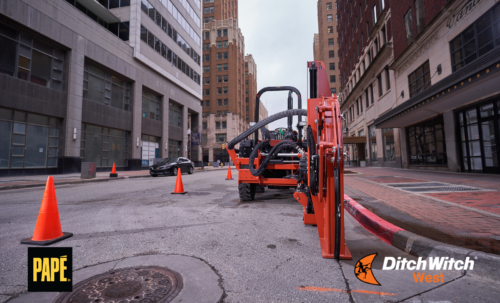
A bustling urban center with buildings, sidewalks, pedestrians, roads, and landscaping can make new installations seem impossible. Whether fiber needs to be installed, or utilities repaired, a major goal of these projects is minimal disruption to the existing environment. Traditional trenchers are powerful, but require lots of space to operate, and tear up existing terrain….


Expand Your Fleet Without Overspending: How to Shop Used Equipment Effectively
Often, project demand grows faster than equipment budgets. A new contract may require the addition of another trencher or directional drill, or even a backup for an aging machine. Used equipment can add capacity while preserving cash for payroll, materials, transportation, and other operating costs. The key is to evaluate more than just the asking…
One Machine, Many Jobs: Versatile Uses for Skid Steers on Your Property
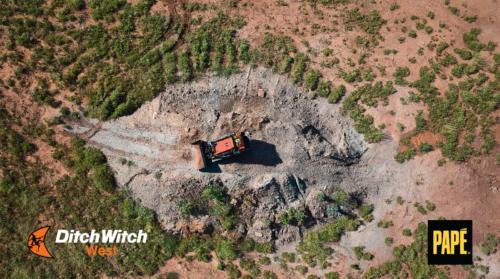
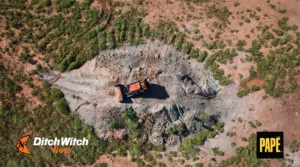
A skid steer can change the way you take care of a property. With a compact footprint, strong hydraulic power, and the right attachment setup, one machine can help with digging, grading, hauling, cleanup, and routine maintenance. That makes it a practical choice for acreage owners, landscapers, utility crews, construction teams, farms, and commercial properties….
Residential Jobs and the Rise of Trenchless Solutions
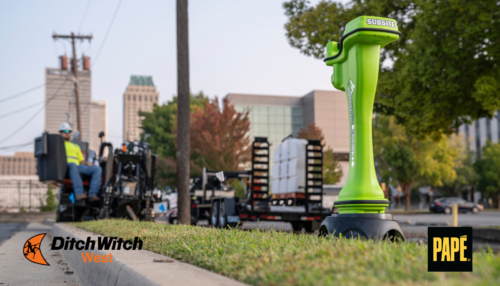
Residential underground work has changed quickly. Homeowners still need sewer repairs, water service upgrades, gas line work, electrical conduit, irrigation, drainage, and fiber installation, but expectations around the jobsite have shifted. Crews are being asked to work faster, protect finished landscapes, reduce driveway and sidewalk damage, and keep disruption low. That is a big reason…
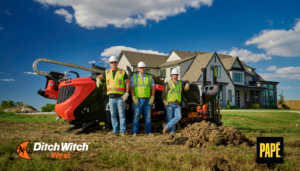
Ditch Witch West Named Best Construction Equipment Supplier in Tucson for 2026
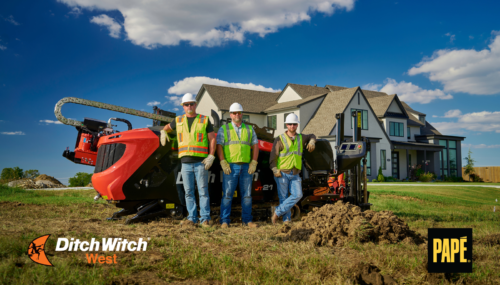
Ditch Witch West Named Best Construction Equipment Supplier in Tucson for 2026 We’re proud to announce that Ditch Witch West has been officially recognized as the Best Construction Equipment Supplier in Tucson for 2026. This award was earned based on verified data from Google Reviews, analyzed and certified by BusinessRate, a trusted source for intelligent…
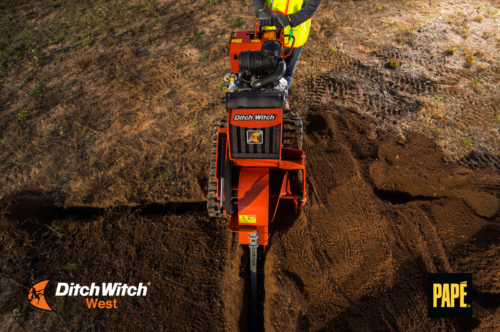
Trenching in the Summer: Daily Care for the Heat
Trenching in the Summer: Daily Care for the Heat Summer heat waves can change the entire rhythm of a trenching job. Utility installation, irrigation work, landscaping, municipal work, fiber projects, and construction schedules still have to stay on track, even through long, dry days that add stress to crews and machines. Ditch Witch trenchers are…


Evolving Safety Standards: Setting Your Team Up for Success
Evolving Safety Standards: Setting Your Team Up for Success Underground construction demands careful planning, keen awareness, and steady execution. Today, crews work around crowded utility corridors, tight access points, changing soil conditions, documentation requirements, and schedules that leave little room for delays. Strong safety practices help teams work with confidence. For trenching, HDD, vacuum excavation,…
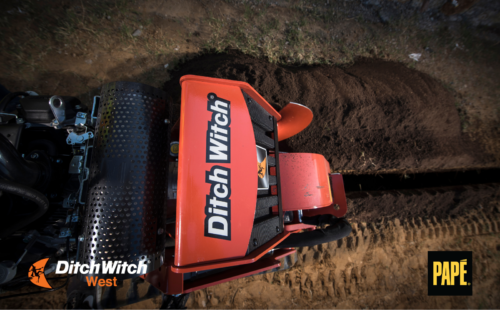
Old Failing Utilities Mean More Trenching Work for Contractors
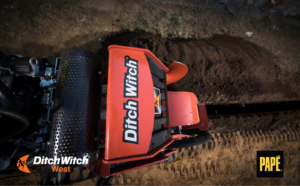
Across the West, patching and repair can only go so far. Water lines, sewer laterals, stormwater systems, irrigation lines, telecom conduit, and electrical infrastructure are aging everywhere. When those systems fail or require upgrades, someone has to open the ground, expose the line, replace it, backfill, and restore the site.That creates opportunity for contractors with…
When Microtrenching Won’t Cover It: Heavy-Duty Trenchers for Tough Jobs
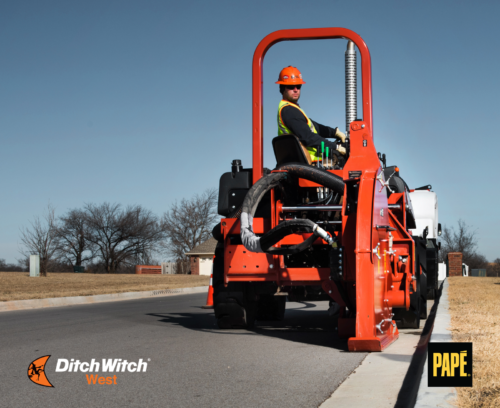
Microtrenching has earned a place on utility jobs that call for speed, precision, and minimal surface disruption. For fiber installation along paved rights-of-way, it can be an efficient way to make a narrow cut, keep cleanup manageable, and move the project forward with less impact on the surrounding area. Still, some jobs ask for more…
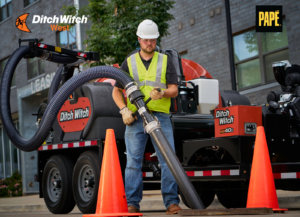
How to Improve Jobsite Productivity and Reduce Downtime
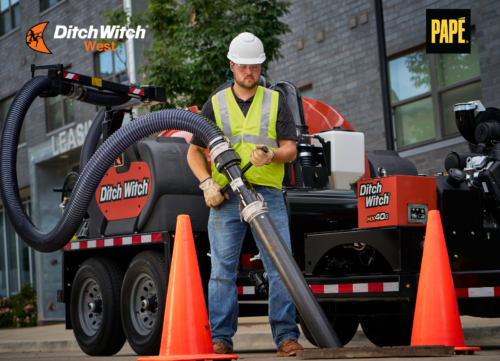
On most utility, fiber, irrigation, and underground construction jobs, lost productivity rarely comes from one major failure. It usually comes from a series of smaller delays. For many contractors, demand is steady and timelines are tight. Improving jobsite productivity often comes down to reducing delays, improving workflow, and keeping equipment operating efficiently throughout the day. …