



Fall can be one of the busiest stretches of the year for fiber and utility contractors. Project backlogs continue, year-end deadlines creep closer, daylight shrinks, and weather makes each workable day more valuable. Keeping crews productive through this final construction push takes more than choosing a primary installation machine. It requires a complete equipment plan that accounts for the installation method, support equipment, changing ground conditions, maintenance needs, and fleet capacity.
Match the Installation Equipment to the Work Ahead
Late-season schedules often include a mix of fiber projects, and each route can present different demands. Surface conditions, installation depth, soil, existing infrastructure, restoration requirements, and jobsite access should all influence equipment selection.
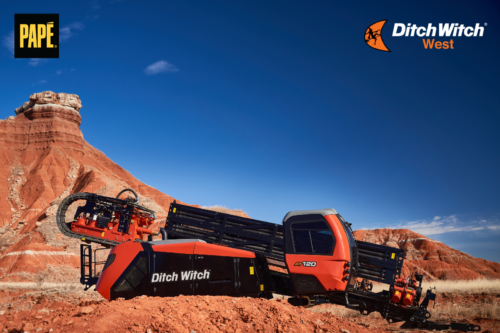
Horizontal directional drilling remains a strong option when crews need to install fiber beneath roads, driveways, landscaping, and other areas where surface disruption needs to stay limited. When selecting a directional drill, consider the torque, drill size, and drilling type required for the work. All-terrain capabilities can also become valuable when upcoming bores involve rock or changing soil conditions.
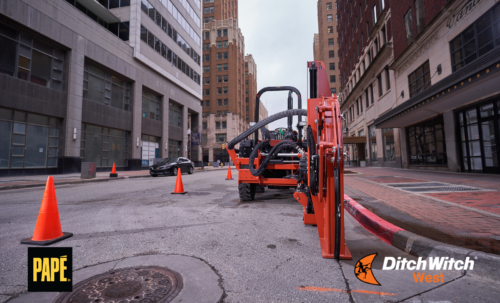
Microtrenching can help crews maintain production on suitable paved routes. These machines are designed for roadway applications and underground fiber installation, creating a relatively narrow cut that can support faster installation and a smaller restoration footprint.
For residential fiber projects and compatible soil conditions, a vibratory plow may provide another productive approach. Matching the technique to each application helps crews use their time, labor, and equipment more efficiently during a compressed fall schedule.
Remember the Equipment Supporting the Installation
The drill, trencher, or plow may lead the operation, but supporting equipment can determine how smoothly the entire crew moves.
Vacuum excavation is especially important for exposing existing utilities and preparing potholes before drilling or trenching. Air excavation uses pressurized air to loosen material while keeping spoil dry, while hydro excavation uses pressurized water to create slurry for vacuum removal. Project conditions, soil, utility sensitivity, and spoil handling should guide the choice.
Accurate locating and HDD guidance also deserve close attention in congested corridors. Subsite solutions include utility locators, HDD guidance systems, bore mapping technology, beacons, software, and related electronics that help crews understand what is underground and guide the bore accurately.
HDD crews should also consider fluid management as part of the production plan. Portable mixing and recycling equipment can help support drilling-fluid preparation, handling, and movement between job sites. A practical late-season equipment check can include:
- Directional drill, microtrencher, trencher, or vibratory plow
- Vacuum excavator
- Utility locator and HDD guidance equipment
- Fluid management equipment
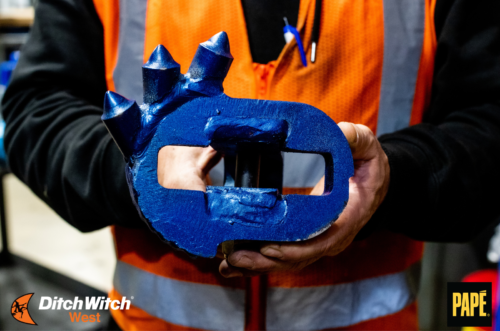
- Drill tooling, teeth, chains, and other wear parts
- Cable, utility reel, or equipment trailer
Account for Changing Fall Job Site Conditions
Fall conditions can shift quickly across the West. Dry summer ground may give way to wetter soil, mud, colder mornings, and reduced daylight. Those changes can affect traction, access, spoil handling, drilling-fluid needs, and restoration work.
Review the routes scheduled for the next several weeks before crews mobilize. Consider the current soil conditions, expected weather, machine access, tooling, staging space, and the way spoil or slurry will be managed. A setup that worked well in August may need different tooling, fluid planning, or support equipment later in the season.
Protect Uptime When Every Workday Counts
A preventable equipment issue can be especially costly when the calendar is tight. Late-season preventive maintenance should focus on the components that see the greatest wear during underground construction.
Before assigning a machine to another major project, inspect drill pipe and HDD tooling, trencher chains and teeth, tracks and undercarriage components, hydraulic hoses and fittings, filters, fluids, vacuum hoses, tanks, and filtration systems. Locator batteries and electronics should also be checked before crews head into the field.
Parts planning matters, too. Keeping frequently used wear parts and service items available can shorten interruptions when a component reaches the end of its service life. Ditch Witch West stocks a broad inventory of replacement parts and attachments for drills, trenchers, vacuum excavators, fluid management systems, and other underground equipment. Service support also includes maintenance, repairs, remote support, and onsite assistance.
For fleets with compatible equipment, Orange Intel can add another layer of visibility by providing information related to machine productivity and efficiency. That information can help managers identify utilization patterns and make better fleet decisions during a busy stretch.
Keep Fiber Projects Moving Through Fall
The final construction push rewards preparation. Matching the installation method to the work, bringing the right support equipment, planning for changing conditions, staying ahead of maintenance, and confirming adequate fleet capacity can help crews make better use of every workable fall day.
At Ditch Witch West, we can help you prepare for upcoming fiber projects with underground equipment, tooling, parts, service, and fleet options. Contact your local Ditch Witch West team to discuss what your crews need to keep moving through the season.