



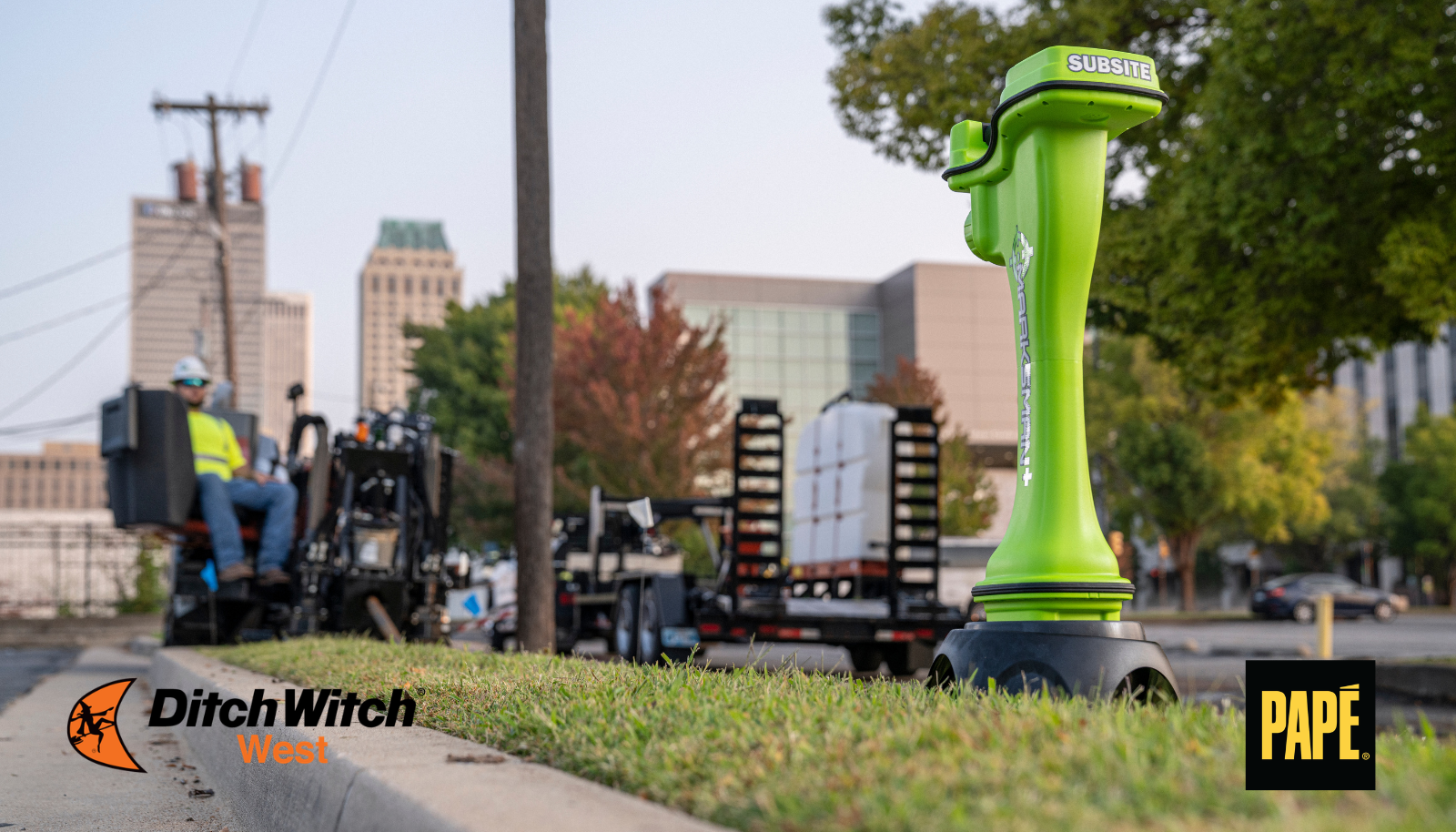
Residential underground work has changed quickly. Homeowners still need sewer repairs, water service upgrades, gas line work, electrical conduit, irrigation, drainage, and fiber installation, but expectations around the jobsite have shifted. Crews are being asked to work faster, protect finished landscapes, reduce driveway and sidewalk damage, and keep disruption low.
That is a big reason trenchless solutions are gaining momentum. These methods help contractors install, repair, or replace underground utilities with smaller access points and less surface disturbance. Traditional trenching still has a strong place on many jobs, but trenchless work gives contractors another way to control cost, cleanup, and disruption.
What Does Trenchless Mean?
Trenchless work refers to underground construction methods that reduce the need for a long, open trench. Instead of digging across the full length of a property, crews may use entry and exit pits, horizontal directional drilling, pipe bursting, pipe lining, or vacuum excavation.
On residential jobs, trenchless methods may be used for:
- Installing fiber, conduit, water lines, or service connections
- Replacing damaged sewer or water lines through pipe bursting
- Rehabilitating select pipe runs with lining
- Exposing utilities through vacuum excavation before digging or drilling
Trenchless work still requires planning, utility locating, access, and skilled operation. Some digging is usually part of the process. The difference is scale. Contractors can often limit excavation to key access points.
Why Trenchless Solutions Are Growing in Residential Work
The biggest advantage is easy for homeowners to understand: less visible impact.
A residential property may have mature landscaping, hardscape, irrigation, fencing, trees, garden beds, and outdoor living spaces. Digging a full trench through that environment can add restoration time and costs for sod, concrete, pavers, mulch, or plant replacement.
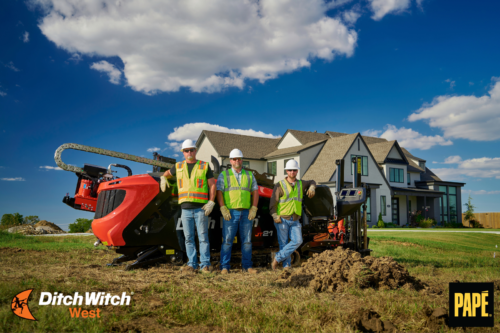
Trenchless methods can help reduce that impact. Horizontal directional drilling can route a utility line under a driveway or established lawn, while pipe bursting can replace certain existing pipe runs without exposing the full line.
For contractors, this can support a smoother customer experience with fewer access issues and a cleaner finished jobsite.
Key advantages can include:
- Reduced surface damage
- Lower restoration needs
- Shorter disruption windows
- Better access in tight residential areas
Trenchless methods may require specialized equipment and trained operators, so the upfront work may look different than a simple open cut. The total project cost can become more favorable when restoration, labor, access, and property disruption are included.
Where Traditional Trenching Still Makes Sense
Trenchless solutions are useful, and open trenching remains efficient, dependable, and practical in the right conditions.
Traditional trenching may be the stronger choice for:
- Short, simple utility runs
- Shallow drainage work
- French drains, downspout lines, and landscape drainage
- Open areas with minimal landscape or hardscape impact
- Jobs that require full visual access to the trench path
Residential contractors also benefit from compact trenching equipment. Walk-behind trenchers, stand-on trenchers, and compact utility machines can help crews create consistent trenches for drainage, conduit, footings, and irrigation.
The right decision comes down to soil conditions, utility depth, length of run, surface features, access points, existing utilities, and homeowner priorities.
Before choosing a method, contractors should evaluate:
- What surface features are above the line path?
- How much restoration will be required?
- What utilities are already in the ground?
- How deep and long is the run?
- What soil conditions are expected?
- What equipment can safely access the property?
Equipment Matters On Residential Jobs
Residential underground work demands equipment that balances productivity, control, and maneuverability. A large machine may be productive in an open right-of-way, while a compact machine may be a better fit near fences, garages, homes, gardens, and finished driveways.
Directional drills support trenchless installation for utilities, fiber, conduit, and service lines. Trenchers remain a go-to choice for controlled open-cut work, including drainage, irrigation, electrical conduit, and footing preparation. Vacuum excavators help crews expose existing utilities and reduce risk before digging, drilling, or repairing underground infrastructure.
Locating and tracking technology also plays a major role. Residential properties can be crowded with gas, water, sewer, irrigation, electrical, and communication lines.
At Ditch Witch West, we help contractors match the right equipment to the work, including directional drills, trenchers, vacuum excavators, Subsite electronics, parts, and service support.
Common Residential Use Cases
- Fiber or conduit installation: Trenchless boring can help route lines under lawns, sidewalks, and driveways with less surface disruption.
- Sewer line replacement: Pipe bursting or lining may help reduce excavation when the existing pipe path and condition support it.
- Drainage improvements: Traditional trenching is often ideal for French drains, downspout extensions, and shallow drainage lines.
- Irrigation work: Trenching can be efficient during planned landscape work, while trenchless methods may help protect finished yards.
- Utility repairs near existing lines: Vacuum excavation and careful locating can help crews expose utilities before more invasive work begins.
The Best Solution Is Job-Specific
Trenchless solutions are rising because they solve real residential problems. They can help protect finished properties, reduce restoration work, and give contractors more flexibility in tight spaces. Traditional trenching remains a proven choice for many residential applications, especially where access is simple and the trench path is clear.
The best approach depends on the jobsite, the utility, the soil, the surface features, and the homeowner’s goals.
Need help choosing the right equipment for your next residential underground project? Contact your local Ditch Witch West dealership to explore trenchers, directional drills, vacuum excavators, parts, and service support.