



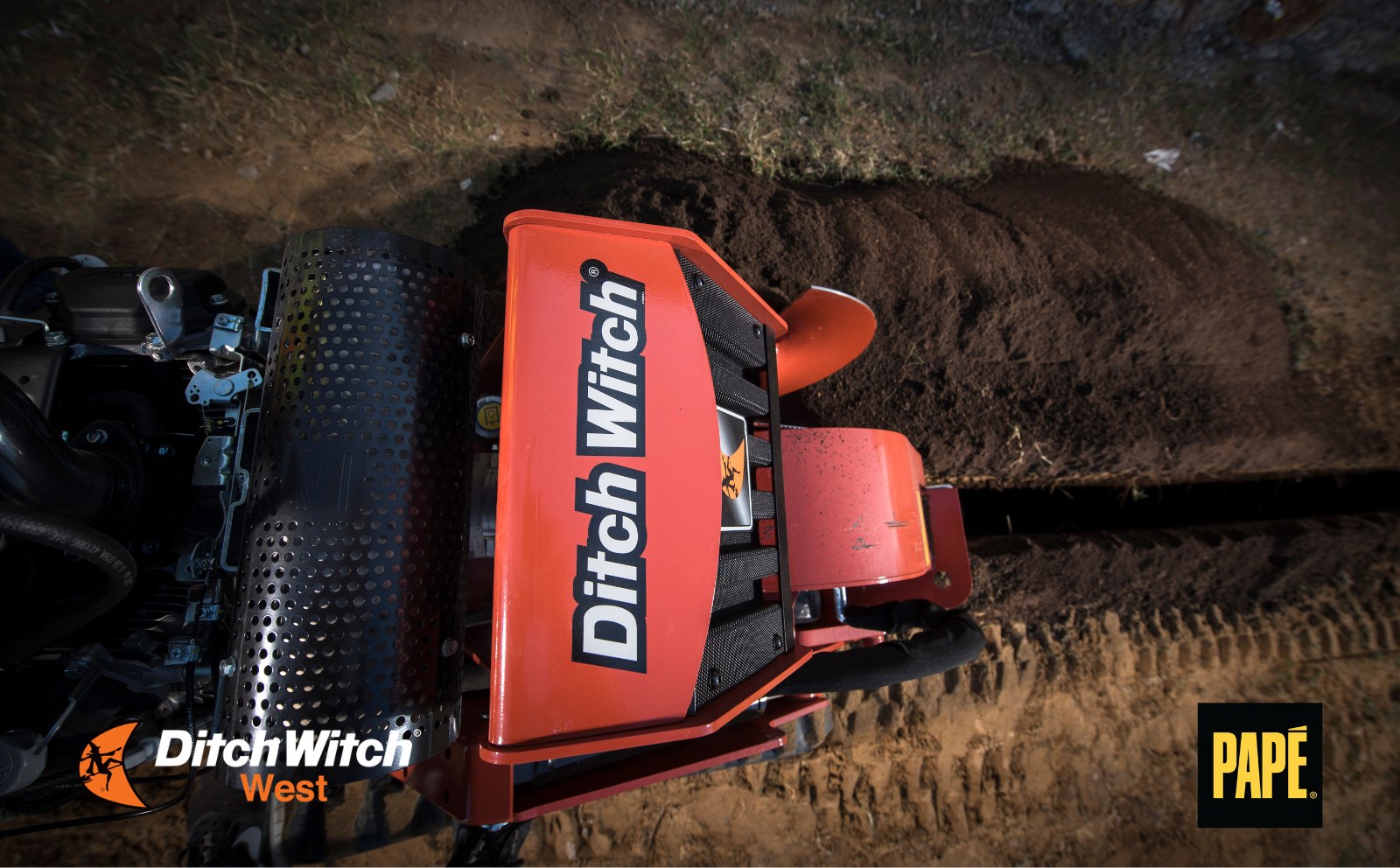
Across the West, patching and repair can only go so far. Water lines, sewer laterals, stormwater systems, irrigation lines, telecom conduit, and electrical infrastructure are aging everywhere. When those systems fail or require upgrades, someone has to open the ground, expose the line, replace it, backfill, and restore the site.That creates opportunity for contractors with the right trenching equipment, underground awareness tools, vacuum excavation support, and jobsite process.
Why Aging Utilities Are Creating More Work
A lot of underground infrastructure was installed decades ago. Some of it was built for smaller populations, lighter demand, and different land use patterns. Growth across the West is putting more pressure on systems that already deal with shifting soils, drought stress, heavy storms, corrosion, root intrusion, and normal wear.
The need reaches well beyond drinking water: wastewater, irrigation, stormwater, power, and communications systems all require replacement, expansion, and modernization. ASCE’s 2025 Infrastructure Report Card gave drinking water a C-, wastewater a D+, and stormwater a D. This points to a clear reality: utility work has a long way to go. Common drivers include:
- Old pipe materials that become brittle, corroded, cracked, or root-intruded
- Water and sewer lines that become too costly to keep repairing
- Fiber and electrical upgrades that require precise underground installation
- Irrigation systems that need replacement, expansion, or rerouting
- Infill development that requires new service connections
What This Means for Contractors
Aging utilities create recurring work. Crews may be called for emergency repairs after a break, planned replacement work before a system fails, new service lines for property upgrades, or utility expansion tied to development.
For excavation, landscaping, irrigation, and utility contractors, that demand can support a stronger pipeline of jobs. The work is coming. The question is how well your crew is equipped to take it on.
Trenchers Still Matter in Utility Replacement
Trenchers remain a core part of a productive underground construction fleet because they deliver a clean, controlled cut for cable, pipe, conduit, drainage, and irrigation jobs. The right trencher can help crews move faster, limit downtime, and maintain a consistent trench profile. Different jobs call for different equipment:
- Walk-behind trenchers for residential utility work, irrigation, landscaping, and tight access areas
- Ride-on trenchers for longer runs and larger utility jobs
- Microtrenchers for fiber installation and road work
- Vibratory plows for residential fiber and shallow utility installation
- Quad trenchers for tough terrain and difficult ground conditions
Pair Trenching with Utility Locating and Vacuum Excavation
Increased trenching work means increased need for underground awareness. Aging utilities can be poorly mapped, inaccurately marked, or located near newer infrastructure. Before mechanical digging begins, crews need to locate, verify, and expose existing utilities with care.
Utility locators, inspection systems, and vacuum excavation equipment help reduce uncertainty before the excavation begins. Vacuum excavation is especially useful for potholing or daylighting existing lines. A safer process helps contractors:
- Protect workers and nearby property
- Reduce the risk of utility strikes
- Avoid service interruptions
- Improve confidence before trenching starts
- Maintain trust with municipalities, builders, and property owners
Productivity Matters as Replacement Work Ramps Up
Utility replacement work often comes with tight access, traffic control, restoration deadlines, customer coordination, and changing soil conditions. Downtime eats into margins when crews have multiple repairs, replacements, or installation jobs lined up. That makes uptime a major part of profitability. Durable machines, sharp chains, the right attachments, available parts, and trained operators all help crews trench, expose, install, backfill, clean up, and move to the next job with fewer delays.
Build Your Utility Replacement Fleet Strategically
As utility work grows, contractors should think about fleet planning by job type. A few practical combinations include:
- Residential Repair and Irrigation: Walk-behind trenchers, mini skid steers, trailers, and compact support equipment
- Fiber and Telecom: Microtrenchers, vibratory plows, utility locators, and underground awareness tools
- Municipal Replacement Work: Ride-on trenchers, vacuum excavators, support trailers, and compact equipment
- Mixed Underground Work: Trenchers, vacuum excavation equipment, electronics, inspection systems, and service support
At Ditch Witch West, we can help you compare new equipment, used equipment, financing, leasing, and rental options so your fleet fits the work in front of you.
Support Keeps the Work Moving
Utility contractors also need fast parts access, reliable service, experienced technicians, and support that understands trenching, drilling, vacuum excavation, compact equipment, and underground work.
With 15 locations across the West, you’re always close to Ditch Witch equipment, parts, service, and regional support.
Be Ready When the Next Utility Job Opens Up
Aging utilities will continue creating work across the West. Every failing pipe, outdated service line, overloaded system, and new underground connection can become an opportunity for prepared contractors.
Find the right trencher for your next utility job. Contact your local Ditch Witch West team to explore equipment solutions built for productivity, versatility, and demanding ground conditions.