



Spring is when underground work ramps up, and for contractors, that means tighter schedules, higher utilization, and less room for error. Changing soil conditions and increased jobsite activity can make locating utilities more challenging—and mistakes more costly.
Vacuum excavation gives crews a controlled way to safely expose buried infrastructure before digging begins. As workloads increase, that added visibility helps protect uptime, reduce risk, and keep projects moving on schedule.
Why Vacuum Excavation Fits Spring Locating Work
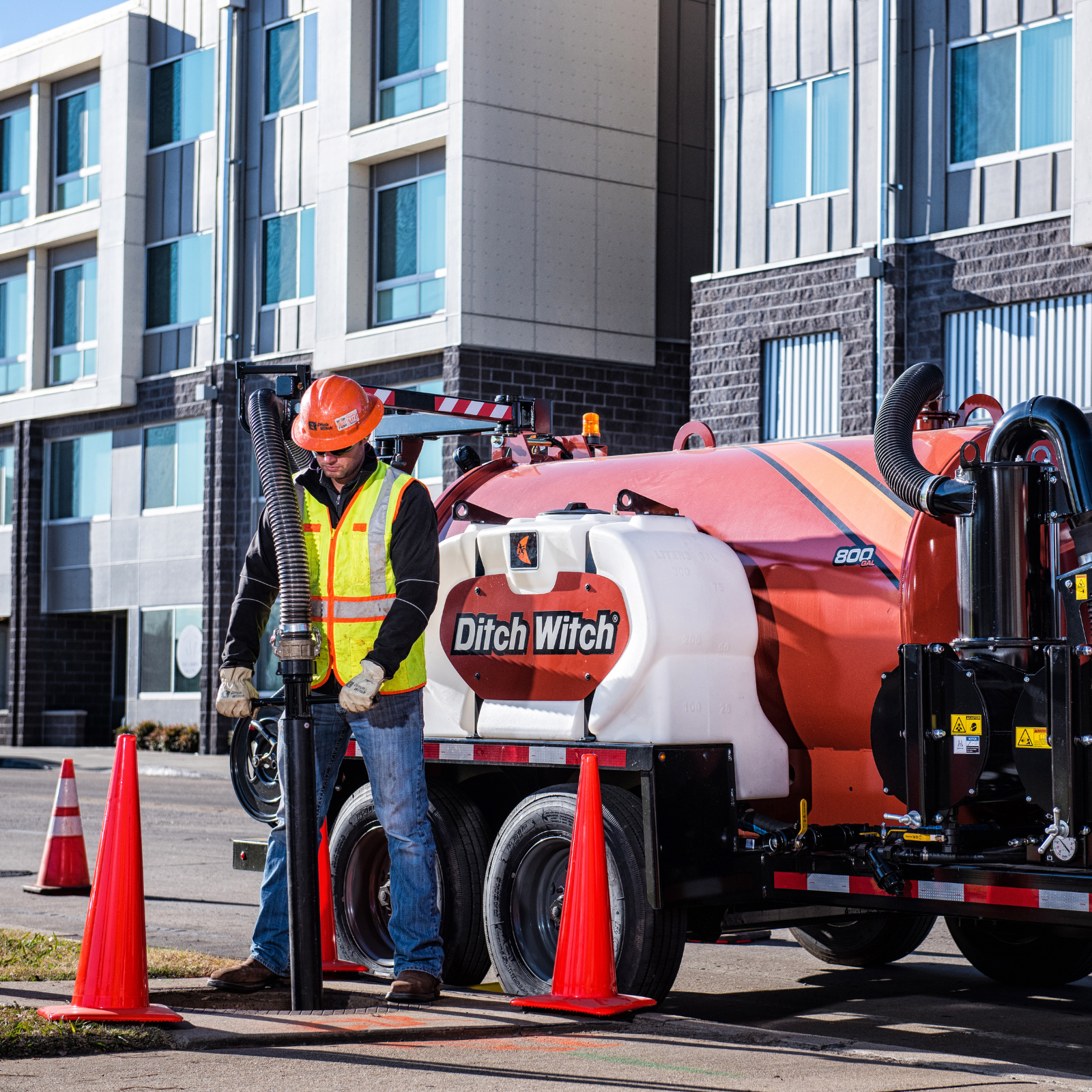
Vacuum excavation uses air or water to loosen soil, then removes it with a vacuum system. For locating work, it’s especially effective for potholing and daylighting, where crews need to visually confirm the exact position of buried utilities.
As spring workloads increase, this approach helps crews:
- Expose utilities with precision
- Work more safely in congested underground areas
- Verify marked lines before moving into more aggressive excavation
- Minimize disruption around existing infrastructure
Spring often brings a wide mix of underground work. New service connections, telecom expansion, irrigation projects, repairs, and trenchless installations can all put crews into areas with crowded utility corridors. As activity increases, so does the need for accurate locating and a consistent process. A strong spring locating process starts with good planning and the right sequence of steps. A simple workflow looks like this:
- Call 811 before digging
- Use utility locating technology to identify likely paths
- Use vacuum excavation to properly expose and verify
- Proceed with excavation or drilling with clearer information
The Biggest Benefits of Vacuum Excavation
One of the clearest advantages of vacuum excavation is its ability to help protect underground infrastructure. Targeted utility exposure gives crews a cleaner window into what is below the surface, which can support safer excavation practices and reduce the chance of damaging buried lines.
It also improves confidence at the jobsite. Utility locating tools play an important role, and so does physical verification. When crews can pair locating technology with vacuum excavation, they gain a clearer picture of where utilities are and how to work around them. That matters for productivity too. A smaller, more controlled excavation can help crews avoid broad exploratory digging, reduce rework, and stay focused on the actual task in front of them. During spring, when schedules fill up quickly, those efficiencies add up.
Air vs. Hydro Vacuum Excavation
Choosing the right method depends on jobsite conditions. Both air and hydro excavation offer advantages for utility locating and exposure work.
Air Vacuum Excavation
Air excavators use highly pressurized air to break up soil and other material around underground utilities. This method is often a strong fit near delicate piping systems where crews want a gentler approach. Another benefit is spoil management. Because the material stays dry, it can be easier to handle and replace after the exposure work is complete.
Hydro Vacuum Excavation
Hydro excavators use pressurized water to create a slurry that can be removed through the vacuum system. This method can be highly effective across a broad range of materials and is often the more efficient choice for larger or more demanding removal work.
The right fit comes down to several factors, including soil conditions, the utility being exposed, the amount of material that needs to be removed, and the overall scope of the project.
Vacuum Excavation Works Even Better with Locating Technology
Spring utility locating is strongest when it is treated as a complete process instead of a single step. Vacuum excavation and utility locating technology work well together because they support both detection and verification.
Subsite utility locators help crews identify likely utility paths and offer multiple methods of verification for accurate readings and reports. Once that information is in hand, vacuum excavation gives crews a practical way to expose the area and confirm what is actually in the ground before they move forward. That combination can be especially valuable for:
- Trenchless construction
- Crossings and tie-in points
- Repair work in active utility corridors
- New installation planning
When crews can locate, verify, and proceed with greater certainty, the whole jobsite benefits.
The Value of Local Support During Spring Ramp-Up
Spring schedules leave little room for delays. Having the right equipment matters, and so does having access to product specialists, training, parts, and service when projects are stacking up. Support can make a real difference in areas such as:
- Selecting the best vacuum excavator for the application
- Matching crews with utility locating tools
- Accessing training and safety resources
- Keeping equipment ready with parts and service support
Start Spring with a Clearer View Below Grade
Spring is a good time to reinforce utility locating practices before underground work picks up. Vacuum excavation gives crews a controlled way to expose buried utilities, improve visibility, and support safer, more efficient execution.
As workloads increase, having the right combination of locating tools, excavation methods, and support can help crews stay on schedule and avoid costly disruptions. Connect with your Ditch Witch West team to plan ahead and prepare for the work this season brings.