



April is Safe Digging Month, which makes it the perfect time to reinforce one of the most important parts of any excavation, trenching, boring, landscaping, or utility project: preparation.
Spring often brings a sharp increase in outdoor work, but the ground below the surface stays just as complex. Buried power, gas, telecom, water, and sewer lines can all sit directly in the path of a routine job. Safe digging protects crews, customers, neighborhoods, schedules, and budgets before the first shovel or machine ever touches the ground. A strong start begins with awareness, planning, and the discipline to follow the right steps every time.
Why Calling 811 Comes First
The first step on any digging project is simple: call 811 before you dig.
811 is the free national before-you-dig service. Anyone planning to disturb the ground can contact 811 or submit a request through their state 811 center website to have the approximate location of buried utilities marked. This applies not only to major construction jobs, but it also applies to smaller projects, including:
- Fence posts
- Tree and shrub planting
- Mailbox installation
- Drainage improvements
- Trenching and boring work
Timing matters too. Locate requests should be submitted a few business days before the job is set to begin, giving utility owners time to respond and mark lines with paint or flags. Having accurate project details ready from the beginning helps the process go smoothly and keeps the work moving in the right direction.
What’s at Risk Underground
When utilities are not properly located, the consequences can be serious. Striking a buried line can lead to injuries, property damage, service outages, emergency repairs, project delays, and costly penalties. That’s why safe digging deserves attention on every project, not just large or complex ones. Smaller jobs can carry major consequences when subsurface hazards are overlooked. Utility depth can vary over time due to grading, erosion, previous excavation, and other site conditions, which makes assumptions especially risky.
Good locate procedures reduce uncertainty and give crews a clearer picture of the work area before production starts.
A Simple Before-You-Dig Checklist
A practical checklist can help keep crews focused and jobs organized:
- Define the Work Area Clearly: Know exactly where digging or boring will take place before submitting the request.
- Prepare Complete Project Details: Include the address, county, nearest cross street, project type, and exact dig area.
- Contact 811 Early: Build in enough time for utility owners to respond.
- Wait for All Utility Responses: Starting early creates unnecessary risk.
- Review the Site Marking Carefully: Confirm the markings align with the actual work plan.
- Use Extra Caution Near Marked Utilities: Slow down around crossings and tolerance zones.
- Adjust the Plan When Necessary: A route change or revised dig approach may be the safest option.
These steps are just as important for property owners as they are for contractors and utility crews. Planting a tree, installing drainage, or setting a new mailbox can all put buried utilities at risk if the site has not been properly marked first.
How Subsite Technology Supports Safer Digging
Calling 811 is essential, but additional underground awareness adds another layer of protection once work begins. That is where Subsite solutions can make a meaningful difference.
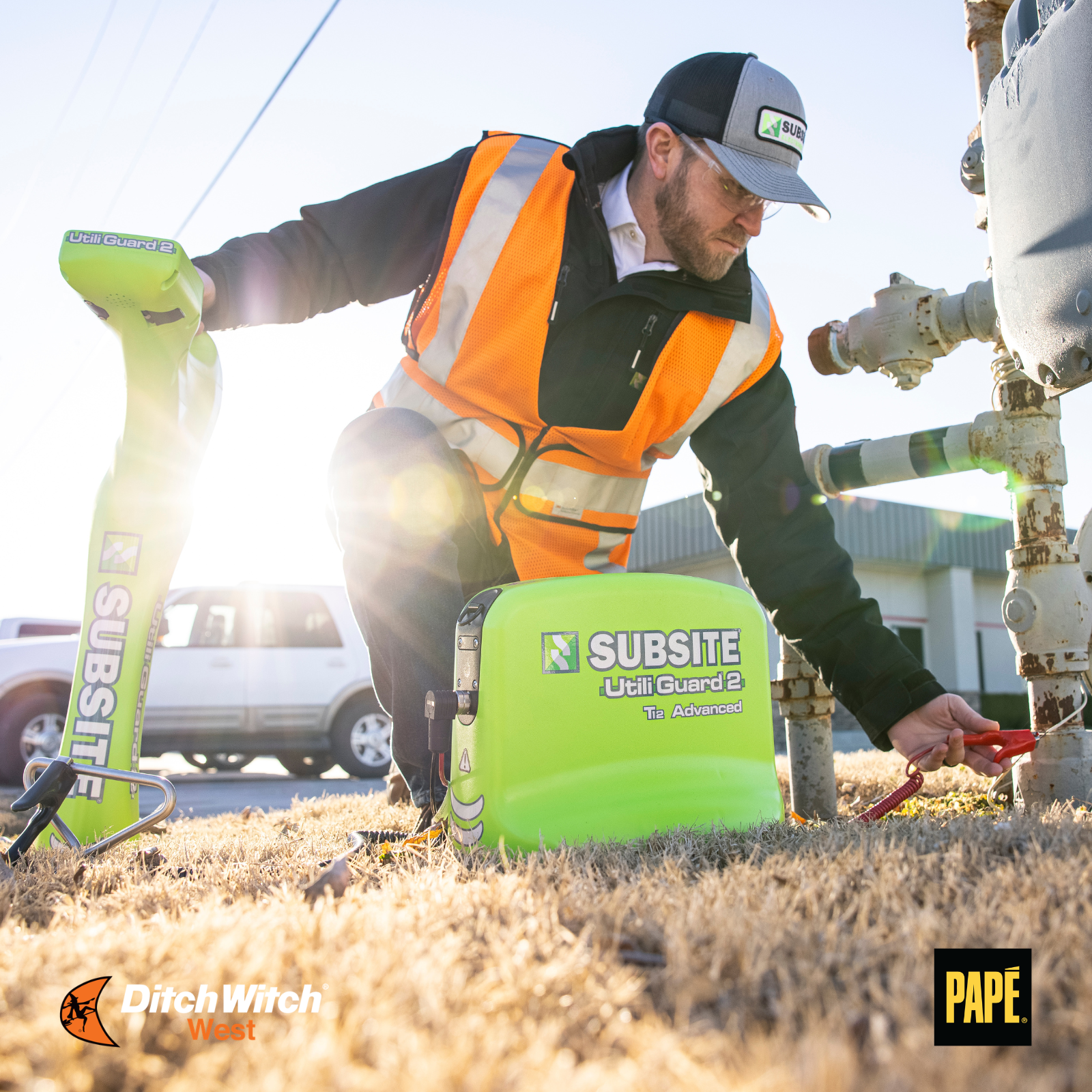
The Subsite lineup available through Ditch Witch West includes utility locators, HDD guidance systems, inspection systems, and software tools designed to support safer and more accurate underground work. These technologies help crews work with greater visibility before excavation starts and better control throughout the project. A few examples include:
- Utility locators that help identify buried infrastructure before excavation
- HDD guidance systems that provide real-time bore tracking and positioning
- Inspection and software tools that support planning, verification, and documentation
Used together with proper safe digging procedures, these tools help improve awareness, precision, and confidence on the jobsite.
Safe Digging Protects More Than the Job
Safe Digging Month is a timely reminder, but the mindset behind it should carry through every season. Safe digging protects the people doing the work, the customers depending on the results, and the communities relying on essential services to stay connected.
It also protects timelines, budgets, and business reputation. Jobs run more smoothly when crews begin with a clear plan, verified utility information, and the right support in the field.
Every dig deserves that level of preparation.
Start the Season with a Safer Plan
If your team is planning excavation, trenching, boring, or utility work this season, start with 811 and solid jobsite preparation. For crews looking to improve underground awareness and locating accuracy, Ditch Witch West can help you explore Subsite solutions to support safer, more efficient digging.