



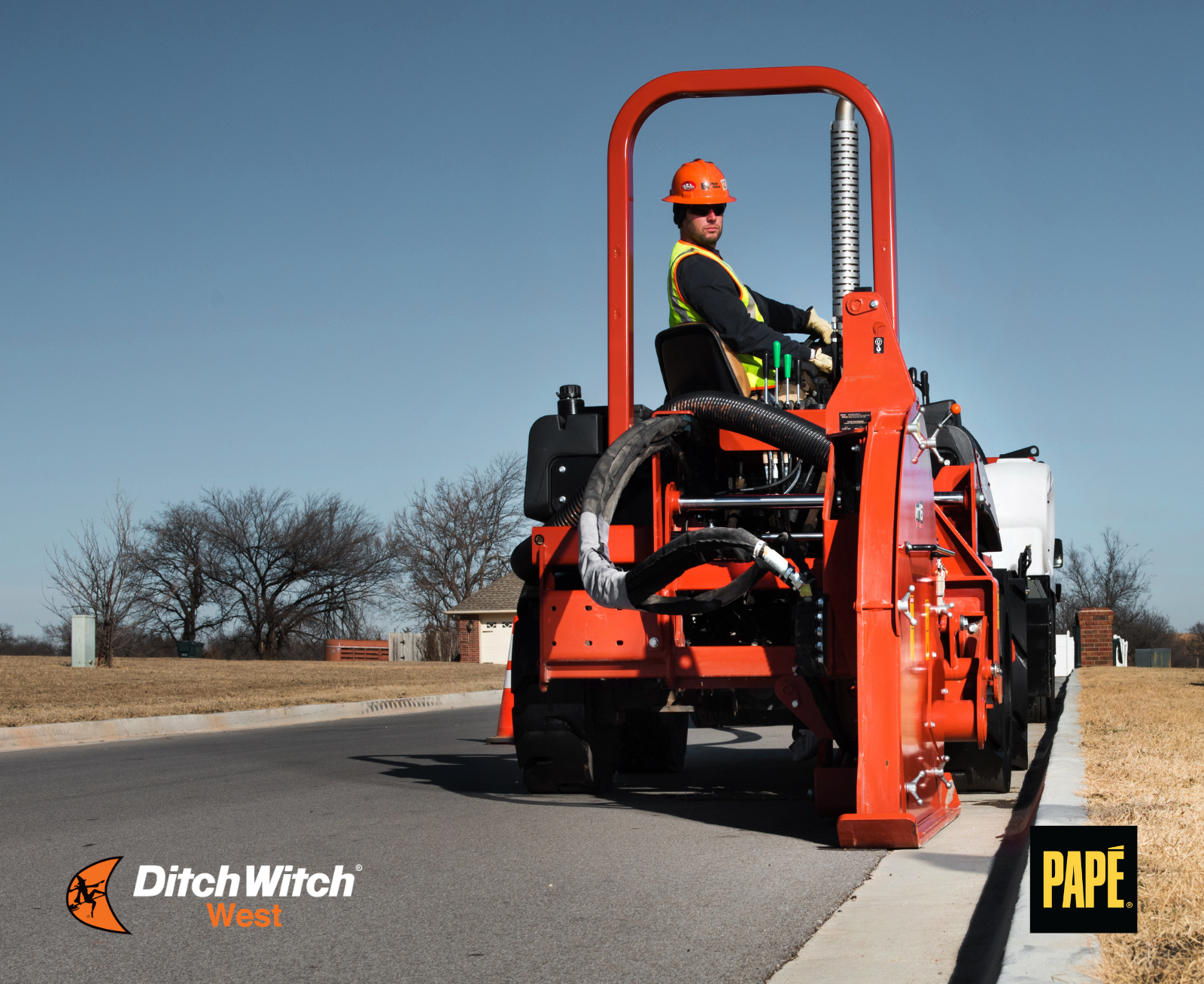
Microtrenching has earned a place on utility jobs that call for speed, precision, and minimal surface disruption. For fiber installation along paved rights-of-way, it can be an efficient way to make a narrow cut, keep cleanup manageable, and move the project forward with less impact on the surrounding area.
Still, some jobs ask for more from your equipment. When trench depth increases, ground conditions get tougher, or the scope expands beyond narrow fiber slots, it makes sense to move into heavier-duty trenching equipment that can deliver more traction, versatility, and productivity across the full jobsite. At Ditch Witch West, we offer multiple trencher categories, including ride-on trenchers, quad trenchers, and vibratory plows, so crews can match the machine to the work ahead.
Where Microtrenching Shines
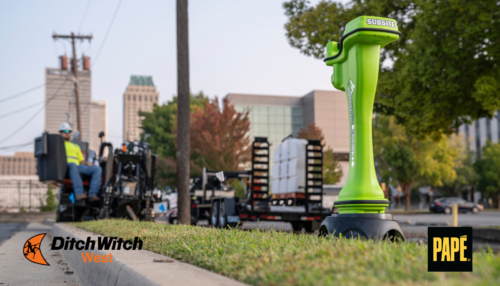
Microtrenching is a strong fit for focused applications such as fiber-optic installation in asphalt or concrete, jobs where narrow and precise cuts matter, roadside and urban environments with tighter work zones, and projects where surface restoration and cleanup efficiency are a priority.
That kind of setup works well when the trench profile is small and the installation plan is straightforward. It can also be a smart option for certain roadway applications, utility repair work, and maintenance projects where a narrow cut is all the job requires.
Signs It’s Time to Step Up
A microtrencher can be the right tool up until the job conditions change. Once you run into factors listed below, heavy-duty trenchers start to make sense.
Greater Trench Depth or Width Requirements
Broader utility work often demands more than a narrow slot. When the installation calls for a wider or deeper trench, a heavier machine is usually the better fit.
Harder Ground Conditions
Tough terrain, abrasive material, and demanding site conditions call for more machine capability. When traction and digging performance become bigger concerns, stepping up in equipment can make a major difference.
Longer Runs and Higher Production Demands
Bigger projects benefit from operator comfort, machine stability, and attachment flexibility. On extended jobs, the right machine can help crews work more efficiently and stay productive throughout the day.
Multiple Jobsite Tasks
Some crews need one platform that can trench, plow, or handle additional attachments during the same phase of work. In those cases, versatility matters just as much as trenching power.
The difference becomes clear once a job moves beyond the narrow, specialized role of microtrenching. For more demanding utility work, heavier-duty trenchers can give crews the performance and adaptability they need to keep moving.
Ride-On Trenchers for Utility Work That Ask for More
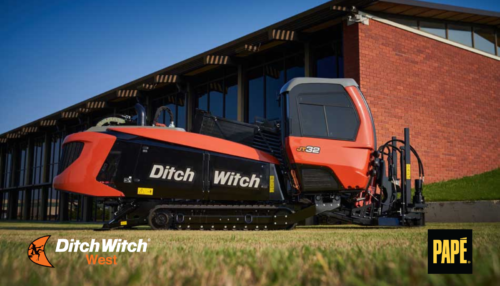
Ride-on trenchers are often the next logical move when crews need a machine that can do more across a wider range of conditions. They bring a
stronger combination of productivity, operator support, and adaptability to utility installation work.
That matters on projects involving power, water, communications, or mixed underground utility runs where the machine may need to do more than one narrow trenching task. A ride-on platform helps contractors maintain productivity on longer utility projects and across broader applications.
For many crews, this is the category that bridges the gap between highly specialized narrow-cut work and the broader demands of full-scale trenching. When the job calls for more machine under you, a ride-on trencher is often where the conversation starts.
Quad Trenchers for Severe Ground Conditions
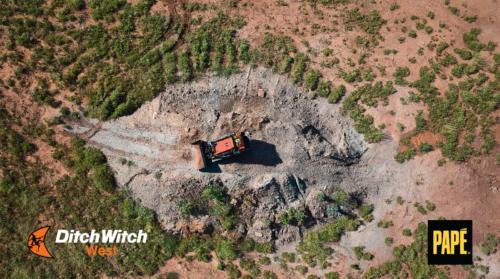
Some jobs are defined by the terrain before the first cut is even made. In those environments, traction and stability can have a major impact on performance and efficiency.
Quad trenchers are built with four tracks to help crews take on rougher ground and tougher jobsite conditions. That added stability can be a major advantage when conditions are uneven, loose, or otherwise difficult to navigate. When the challenge lies in the terrain itself, a quad trencher gives operators a more planted, heavy-duty machine built for demanding work.
If the site is pushing the limits of what lighter equipment can comfortably handle, this type of machine can help crews maintain productivity and stability in difficult conditions.
When a Vibratory Plow Is the Better Answer
Moving beyond microtrenching does not always mean moving straight to a larger chain trencher. In some applications, a vibratory plow can be the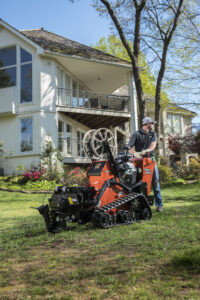 better fit.
The Ditch Witch 410SX is designed to quickly install communication lines, natural gas and water services, and underground sprinkler systems without digging a traditional trench. It also retains trenching capability when the job calls for it. For contractors balancing speed, ground disturbance, and installation requirements, that kind of versatility can make a real difference in the field.
When minimizing disruption is still important but a microtrencher is not the right solution, a vibratory plow may offer a more efficient path forward.
Match the Machine to the Jobsite
Choosing the right trencher starts with a clear look at jobsite realities, including surface type, required trench depth and width, soil and terrain conditions, utility type, project length, attachment needs, and cleanup or restoration considerations.
Whether you are expanding beyond microtrenching or evaluating equipment for tougher utility installations, Ditch Witch West can help you find the right trencher, vibratory plow, attachments, parts, and support for the work ahead. Contact your local Ditch Witch West team to explore equipment solutions built for productivity, versatility, and demanding ground conditions.