



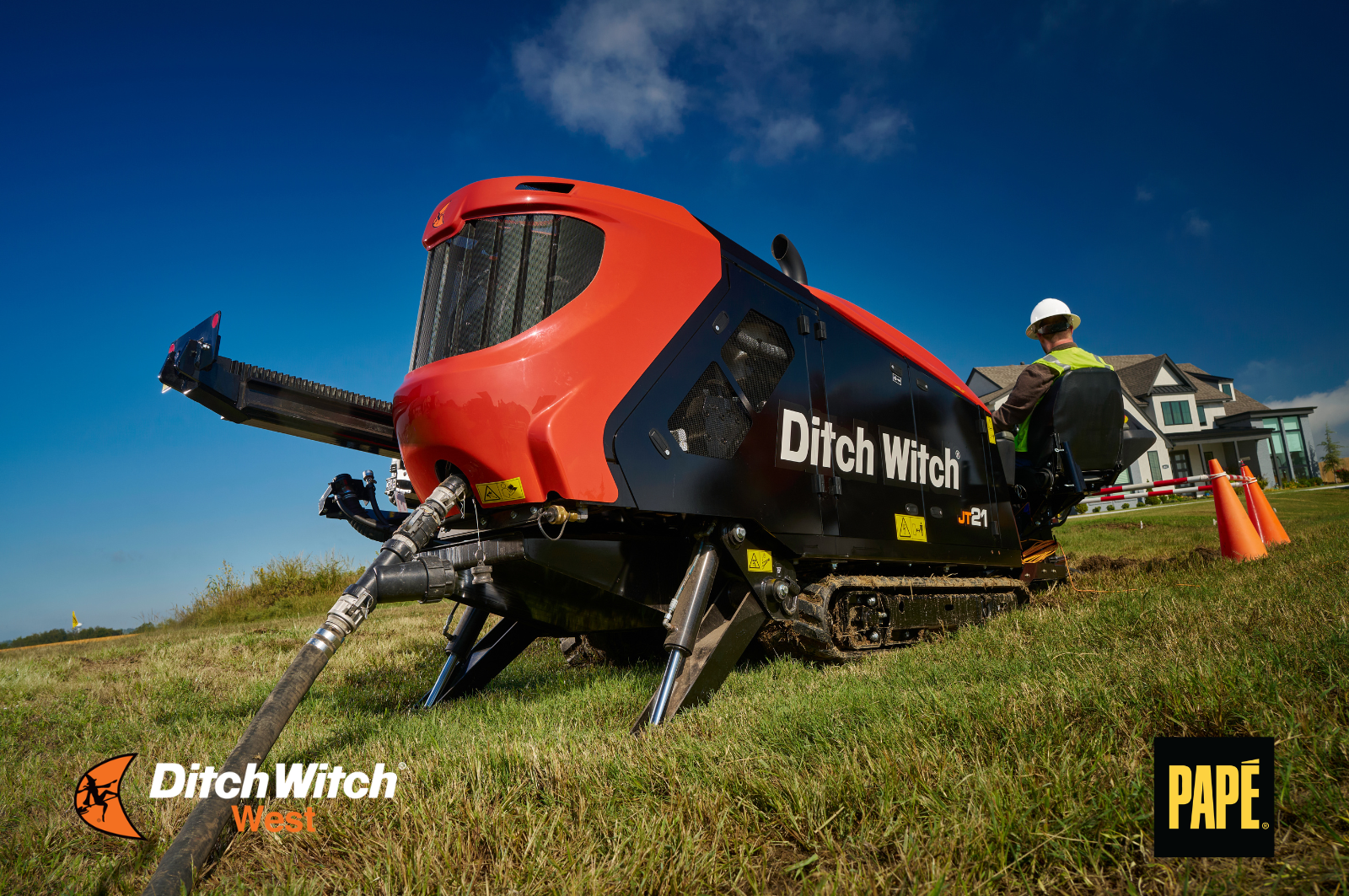
Evolving Safety Standards: Setting Your Team Up for Success
Underground construction demands careful planning, keen awareness, and steady execution. Today, crews work around crowded utility corridors, tight access points, changing soil conditions, documentation requirements, and schedules that leave little room for delays. Strong safety practices help teams work with confidence. For trenching, HDD, vacuum excavation, utility locating, and compact equipment crews, preparation is one of the most important tools on the jobsite. The right plan, equipment, and support will help your team stay productive while protecting people and buried infrastructure.
Start with a Clear Understanding of Risk
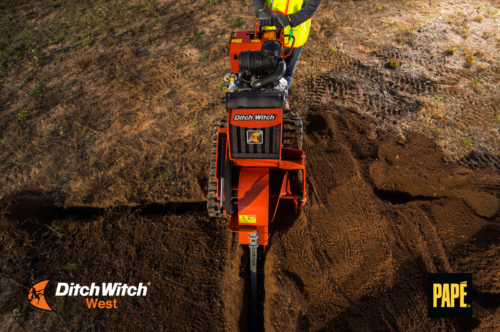
OSHA identifies cave-ins as the greatest risk in trenching and excavation and emphasizes protective systems like sloping, shoring, and shielding. Safe access and egress, keeping materials away from trench edges, checking for standing water, and inspecting trenches before entry are all essential parts of safe excavation.
Before work begins, crews should always review the scope of work, identify changing conditions, confirm utility information, and ensure everyone understands the plan.
Build Safety Around the Competent Person
A solid safety plan depends on clear authority. In excavation work, the competent person plays a critical role because they have the training and authority to identify hazards and take corrective action.
Operators, laborers, foremen, and safety leads all need to know who is evaluating trench conditions, who can pause work, and how changes will be communicated. A practical competent person routine should include:
- Daily inspections before work begins
- Re-inspections after rain, vibration, or water accumulation
- Review of protective systems, access points, and spoil placement
- Authority to stop work when conditions require action
Make Utility Locating Part of the Safety Culture
Safety starts before the first cut, bore, or excavation. Calling 811 before digging gives utility owners the opportunity to mark underground lines before work begins. That step supports safer planning and helps crews avoid costly strikes, service disruptions, and emergency repairs.
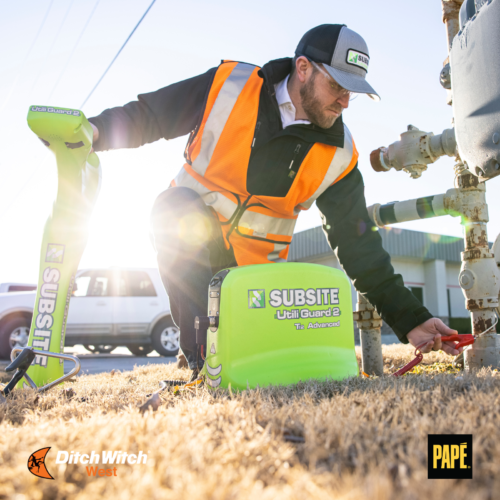
Modern locating and mapping tools add another layer of confidence. Utility locators and Subsite equipment help crews better understand what is below the surface before they expose or cross existing infrastructure. Advanced tools such as the UtiliGuard 2 RTK support centimeter-level mapping accuracy, data storage, mapping compatibility, and locating features.
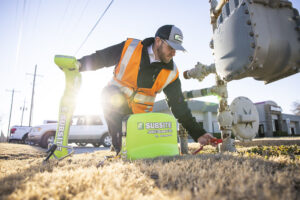
A safer locating process should include:
- 811 notification before digging
- Review of markings, maps, and project plans
- Potholing or vacuum excavation where needed
- Clear communication before equipment enters the work area
- Documentation of utility findings for future reference
Choose Equipment That Supports Safer Work Practices
Equipment selection affects how safely and efficiently crews perform their work. The right machine can improve precision, reduce unnecessary ground disturbance, limit manual labor in hazardous areas, and help crews work more confidently in tight spaces.
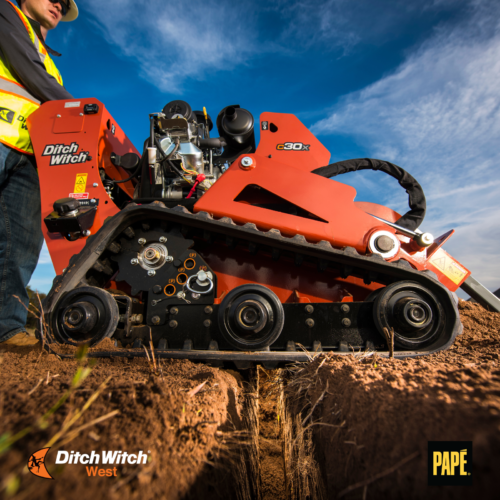
Vacuum excavators support damage prevention by carefully exposing underground objects. Directional drills and trenchless solutions can reduce open excavation needs in many applications. Trenchers remain essential when soil conditions, depth, and installation requirements call for direct trenching. Stand-on skid steers can help with material handling, cleanup, and tight-access work when paired with the right attachments.
Safer work comes from matching the machine to the task, operator experience, ground conditions, utility exposure, access needs, and production goals.
Keep Machines Maintained, Inspected, and Ready
Maintenance belongs in every safety conversation. Worn components, leaks, poor visibility, downtime, and delayed repairs can all create avoidable risk.
At Ditch Witch West, our service support includes maintenance, repair, parts, remote support, and onsite help to keep fleets ready for demanding work. Orange Intel also helps teams manage fleet data, productivity insights, dashboards, analytics, and machine performance information.
Create a Crew-Wide Safety Routine
Evolving standards are easier to manage when safe behavior becomes repeatable. Build a routine crews can use every day:
- Hold a pre-job briefing.
- Review utility locates and 811 documentation.
- Complete equipment walkarounds.
- Confirm the competent person inspection.
- Check access, egress, spoil placement, and protective systems.
- Review weather, soil, traffic, and site conditions.
- Confirm hand signals, radios, and stop-work expectations.
- Capture post-job notes for maintenance or training follow-up.

Safer Crews Are Better Prepared Crews
With training, utility awareness, proper equipment selection, maintenance support, and consistent routines, crews are better prepared for compliance and productivity.
Equipment is only part of the equation. A trained crew can work efficiently, productively, and safely. Contact your nearest Ditch Witch West branch to learn more about training resources, equipment support, parts, and service for your underground construction fleet.
Support Keeps the Work Moving
With Ditch Witch West you get fast parts access, reliable service, experienced technicians, and support that understands trenching, drilling, vacuum excavation, compact equipment, and underground work.