



Trenching in the Summer: Daily Care for the Heat
Summer heat waves can change the entire rhythm of a trenching job. Utility installation, irrigation work, landscaping, municipal work, fiber projects, and construction schedules still have to stay on track, even through long, dry days that add stress to crews and machines. Ditch Witch trenchers are built for tough jobsites, uptime, and productivity, but daily maintenance remains critical. Just a few small daily checks can reduce downtime, improve safety, and ensure all equipment is ready for the next run.
Start With Your Crew: Water, Rest, and Shade
The most important jobsite asset is your crew. Summer trenching jobs typically mean hours of direct sun, reflective surfaces, hot PPE, physical labor, and long stretches near running equipment. Before the first cut, you should always review heat expectations.
OSHA’s heat safety message is clear and simple: water, rest, and shade. Cool water should be within easy reach, and for jobs expected to last two or more hours, electrolyte-containing fluids should also be available nearby. Supervisors should watch new and returning workers carefully as they build heat tolerance. A few daily habits will set the tone:
- Put water and electrolytes close to the work area.
- Schedule heavier trenching earlier in the day when possible.
- Rotate tasks during extreme heat.
- Encourage workers to speak up at the first sign of heat stress.
Check Fluids Before the Machine Goes to Work
Intense heat makes regular fluid checks even more essential than usual. A trencher working through hard, dry soil, long utility runs, compacted ground, or rocky conditions is already under load. Low or dirty fluids and small leaks can turn a productive morning into unplanned downtime and costly service delays. Before starting work, be sure to check:
- Engine oil
- Coolant levels
- Hydraulic fluid
- Fuel level
- Grease points
- Leaks under or around the machine
Follow the operator manual for your specific model, and address warning lights, unusual smells, or temperature changes early.
Clear Dirt, Dust, and Debris
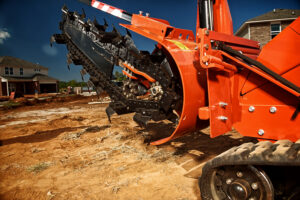
Typically, summer trenching brings dry soil and heavy dust. Dust buildup can restrict airflow, hold heat around key components, and hide early signs of wear. Make cleaning part of your daily routine. Clear radiator screens, air intake areas, and visible cooling surfaces. Remove packed dirt around the digging boom, chain, teeth, and sprockets. Wipe around hydraulic connections so leaks are easier to locate. Pay special attention after trenching in dry, rocky, or compacted soil: the harder the ground, the more important clean components become.
Inspect the Digging System Daily
The digging system bears the brunt of demanding summer conditions. Heat can harden ground and increase strain on teeth, chains, bearings, drive components, and booms. A worn tooth or loose chain can slow production and place added stress on the rest of the machine. Use a simple daily inspection:
- Look for missing, dull, cracked, or unevenly worn teeth.
- Check chain tension.
- Inspect the boom for damage or abnormal wear.
- Listen for unusual noises.
- Watch for vibration or inconsistent digging performance.
- Replace worn parts before they lead to larger repairs.
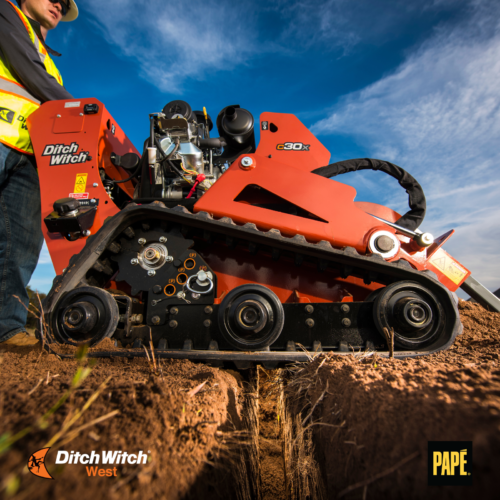
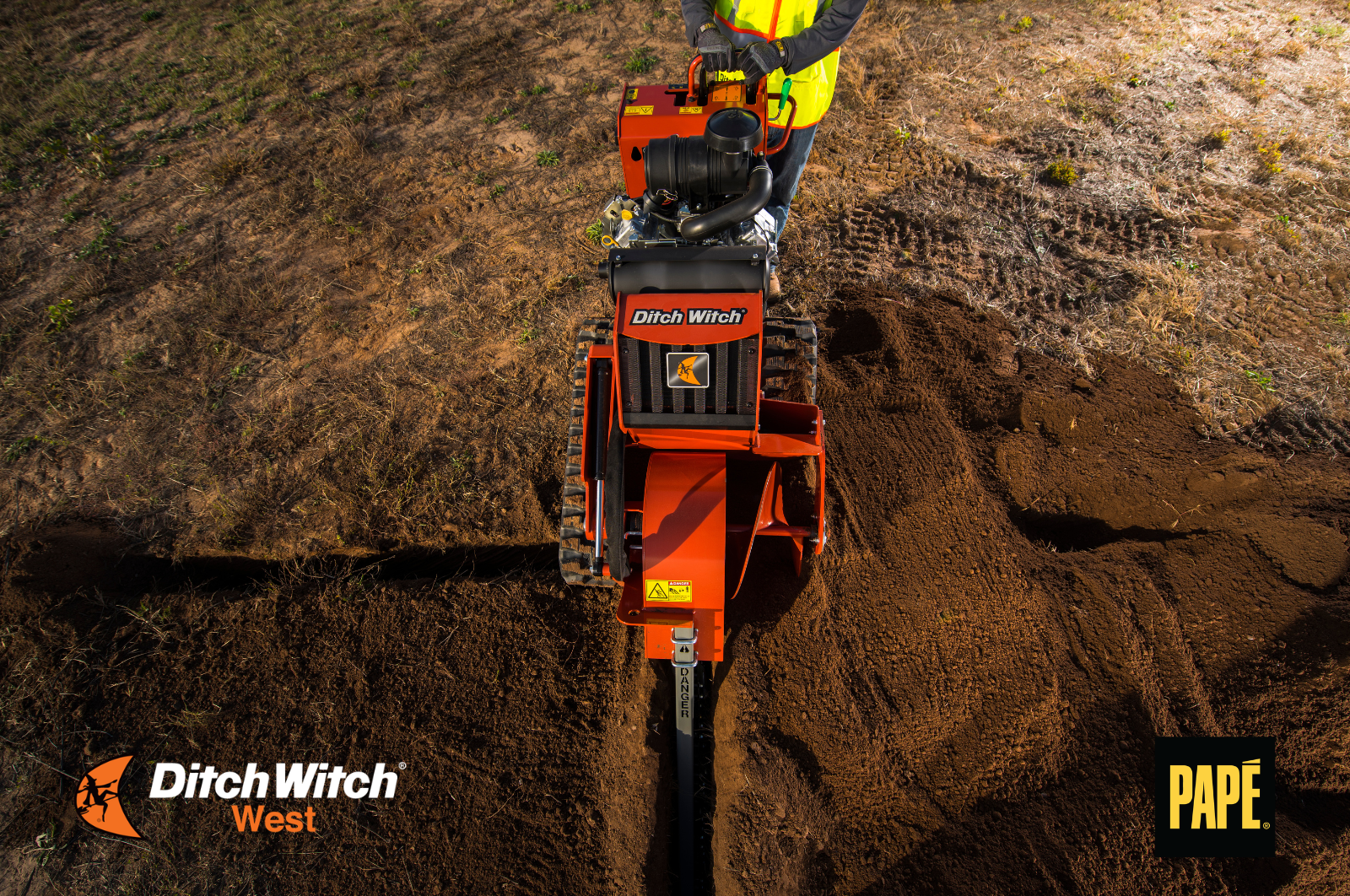
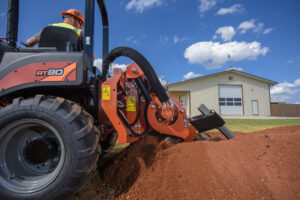
Ditch Witch trenchers include microtrenchers for underground fiber installation, quad trenchers for tough terrain, ride-on trenchers for long days, vibratory plows for residential fiber work, and walk-behind trenchers for pipe laying and landscaping.
Plan for Heat-Related Downtime
Summer downtime can come from many directions: overheated operators, worn parts, fluid issues, or a machine pushed past its daily limits. Planning ahead keeps minor problems manageable.
Build extra time into hot weather schedules. Stage backup fluids, drinking water, shade, and common wear parts before the day begins. Use the morning inspection to decide if the machine is ready for a full shift or needs attention first. Operators should report small changes right away, including slower digging, temperature changes, leaks, new vibrations, or unusual sounds.
Take Advantage of Local Parts and Service Support
Summer is a good time to stay ahead of parts and service needs. Teeth, chains, fluids, filters, belts, and other wear items deserve extra attention when machines work through heat, dust, and demanding soil.
At Ditch Witch West, we help customers keep drilling equipment, compact machinery, trenchers, and related machines moving with parts and service support across the western U.S., so help is within reach when summer work puts your fleet to the test.
End-of-Day Care Matters, Too
A trencher should be ready for tomorrow before the crew leaves today. At the end of the shift, park on level ground, follow cooling guidance, and clean dirt and debris from the machine.
Refuel if needed. Top off approved fluids according to the operator manual. Note worn teeth, loose parts, leaks, or any warning signs that showed up during the day. Report issues before the next shift so parts, service, or adjustments can be planned.
Daily summer care protects crews, equipment, and schedules. With the right routine, your trencher can stay ready for tough work in hot conditions.
Need trencher parts, service, or help choosing the right machine for summer work? Contact your nearest Ditch Witch West location or request a quote today.