



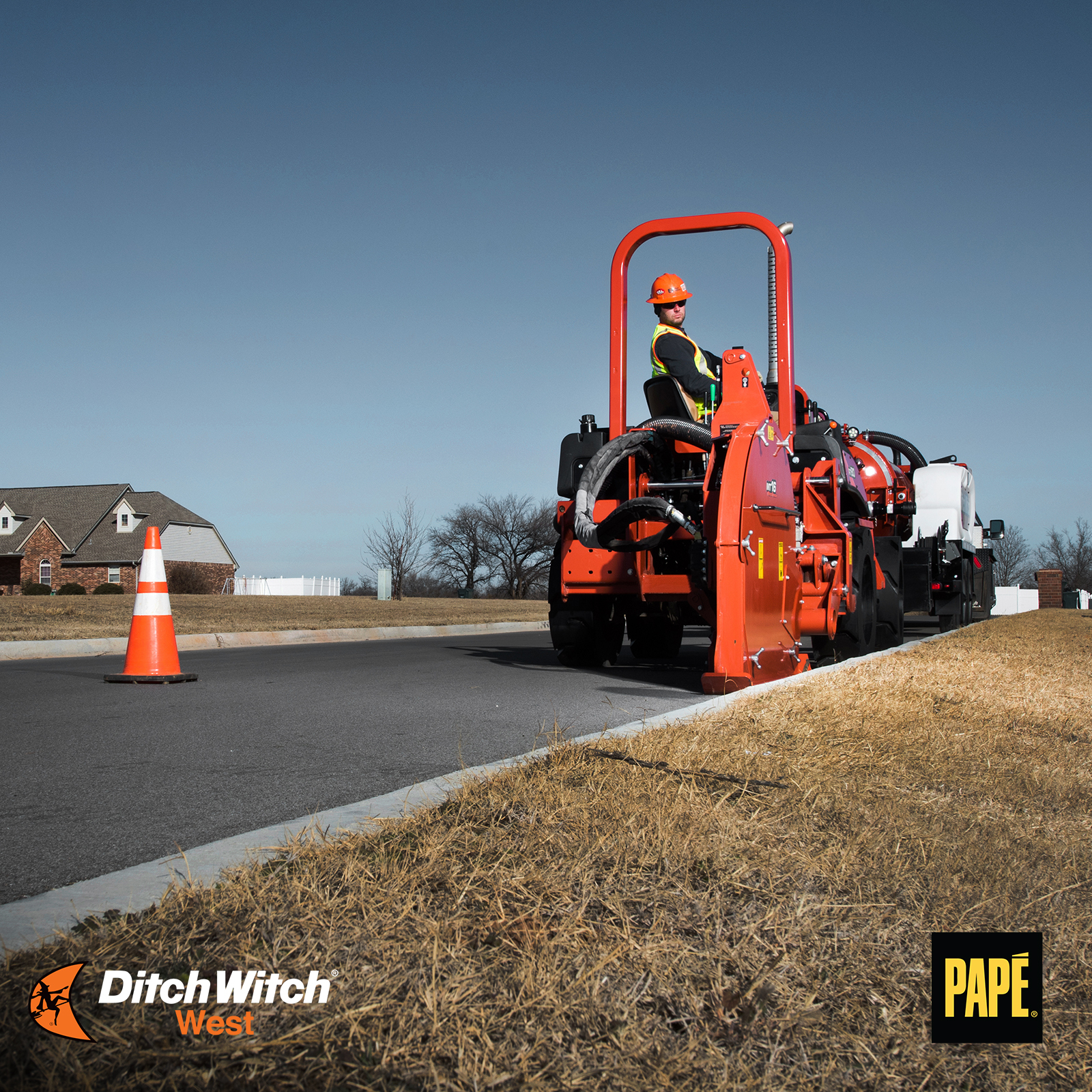
It’s no secret that demand for high-speed internet is consistently increasing nationwide. But with this demand comes the necessity for quick, convenient, and cost-effective fiber-optic installation processes, as well as utility contractors to perform the work.
Rather than use traditional fiber installation methods, which involve digging expansive trenches and expending large amounts of time and human resources, read on to learn how microtrenching and directional drilling can reduce your installation costs and maximize on-site productivity.
What Drives Cost in Fiber Installations?
On underground builds, labor and restoration are the biggest drivers of cost-per-foot. Recent industry data shows typical underground deployment costs in the $10–27 per-foot range, with labor accounting for 60–80% of total cost. Thus, methods that speed production and minimize surface restoration directly lower your cost-per-foot.
Permitting, traffic control, utility conflicts, and spoils handling add time and expense. This is why choosing construction methods and fiber microtrenching tools that reduce cuts, limit lane closures, and streamline cleanup can materially improve bid competitiveness on cost-per-foot fiber jobs.
How Microtrenching Helps Lower Installation Costs
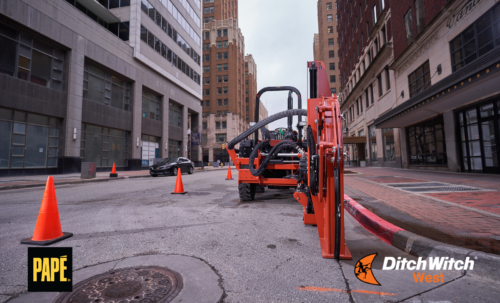
The first and most important step in reducing your financial footprint in fiber-optic cable installation is to know the scale and environment of your job. For urban and suburban sites, which often require minimal disruption and quick implementation, the use of microtrenchers cuts installation time and required labor, therefore reducing the overall cost.
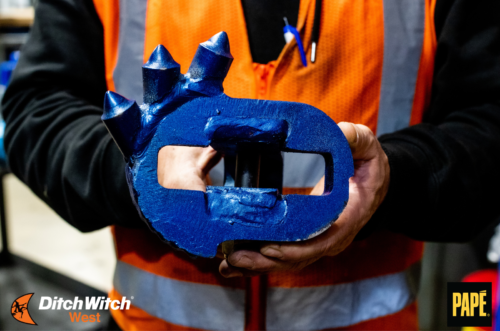
Rather than digging a deep, wide trench, which requires a larger rig and disrupts surrounding utilities, microtrenching cuts a narrow, shallow trench to lay fiber-optic cable while avoiding interference with other utility lines. More specifically, Ditch Witch microtrenchers use specialized Fiberblade saw blades that cleanly slice through concrete or asphalt in one pass. Depending on the blade and conditions, contractors can see substantially longer blade life versus standard cutters, reducing downtime and consumables.
Microtrenching is increasingly recognized in industry best practices and municipal standards for its lower costs per foot, rapid speed, and reduced disruption. This method of fiber installation makes geographically complex projects easier to manage and takes less time than traditional trenchers, creating a cost-effective alternative to traditional fiber installation practices. When paired with a vacuum excavator, microtrenchers also offer reduced downtime and manual cleanup on installation sites.
When Is Microtrenching Preferred?
- In compact urban and suburban jobsites along paved rights-of-way.
- Year-round: microtrenchers can use a dry cut method with proper dust control and vacuum, aiding winter productivity where water use is restricted.
- Road work projects, as the cuts are narrow enough for contractors to allow road access to cars throughout the installation.
- On tough pavement materials like concrete and asphalt.
Directional Drilling (HDD) for Residential and Complex Landscapes
While microtrenching is a leading option for fiber installation equipment, contractors are also turning to trenchless installation processes, many of which utilize directional drills.
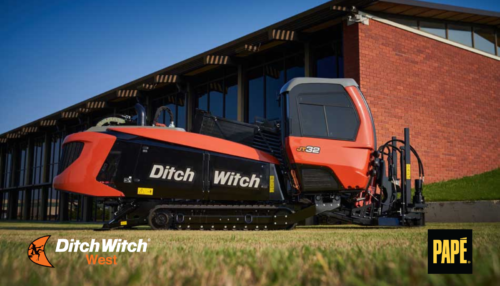
In contrast to the compact urban uses of microtrenchers, directional drills and other directional boring options are becoming the standard when working around residential areas and tricky landscapes. The trenchless process is ideal for single-home fiber-optic cable installation as well as instances in which homeowners or other stakeholders require limited disruption to surrounding environments.
Cut costs in residential fiber installation with a directional boring machine that avoids utility lines and requires little to no cleanup. You’ll save time and necessary labor, reducing the cost of your operation in short order.
When Is Directional Boring Preferred?
- On yards, driveways, residential hills, and other complex landscaped areas.
- Under tough operator conditions, including embankments, sidehills, water crossing, wooded areas, and other adverse terrains.
- When minimal surface disturbance is necessary.
- When contractors have approval for road closures.
How to Maximize Uptime and Efficiency with the Right Tools
To move your cost-per-foot in the right direction:
- Pick the Right Method for the Surface: In dense, paved corridors, microtrenching’s narrow cuts speed production and limit restoration, which is why best practice guidance cites lower cost per foot and fewer utility strikes when deployed correctly.
- Control Spoils and Dust: Pairing a microtrencher with a vac reduces cleanup time and keeps lanes open, both key to cost control in urban work.
- Use Compact HDD for Service Drops: For landscaped areas or crossing driveways, these drills minimize restoration and keep homeowners happy.
Contractors and municipalities also report up to 50% faster installation times with microtrenching compared to traditional methods.
Keep Up with the Latest Industry Trends
It’s no question to industry experts that demand for fiber-optic cable installation will continue to grow with the ever-increasing consumer and corporate desire for high-speed internet. As broadband expansion accelerates across the country, microtrenching has been added to broadband guidelines and city standards as an advantageous deployment method due to its speed, lower costs per foot, and reduced disruption.
For contractors, that means staying current on Ditch Witch fiber equipment and best practices to select the fastest, least disruptive method for each phase of your project.
Whatever your needs, Ditch Witch West is at the forefront of the fiber installation industry, so we can keep you up-to-date on the most cost-effective, innovative installation technologies. We offer powerful, precise equipment to prepare construction crews for the future of fiber-optic installation and high-speed internet without breaking the bank.
From microtrenchers and directional drills to customizable attachments to supplement your machines, our equipment will save you time and money in your fiber installation projects. And when you need service or maintenance support, our knowledgeable team is here to help you maximize uptime.
Browse our selection of microtrenchers and directional drills today ahead of your next fiber-optic cable installation job. The experts at your nearest Ditch Witch West location will help you find the equipment you need to keep installation costs down and increase productivity.