



Rebuilding and expanding infrastructure takes more than determination. It requires machines that can dig precisely, work continuously, and stand up to hostile ground conditions without slowing down crews. On utility corridors, highways, data routes, and energy projects across the West, teams rely on purpose-built trenching equipment to lay conduit, water and sewer lines, drainage, and fiber with consistency. This blog outlines how the right equipment lineup helps maintain schedules and control costs, and how Ditch Witch West backs each phase with comprehensive sales, parts, and expert service.
Matching the Machine to the Mission
No single trencher can do every job efficiently. Soil type, required depth and width, production rates, traffic control constraints, and restoration plans all influence the best choice for the work.
Ditch Witch West offers a full spectrum of trenchers and complementary solutions so project managers can tailor fleets to the task at hand, from urban fiber builds to rural pipeline segments. Our category lineup includes ride-on trenchers, quad track trenchers, microtrenchers, vibratory plows, and walk-behind units.
Ride-On Trenchers for Heavy-Duty Cuts
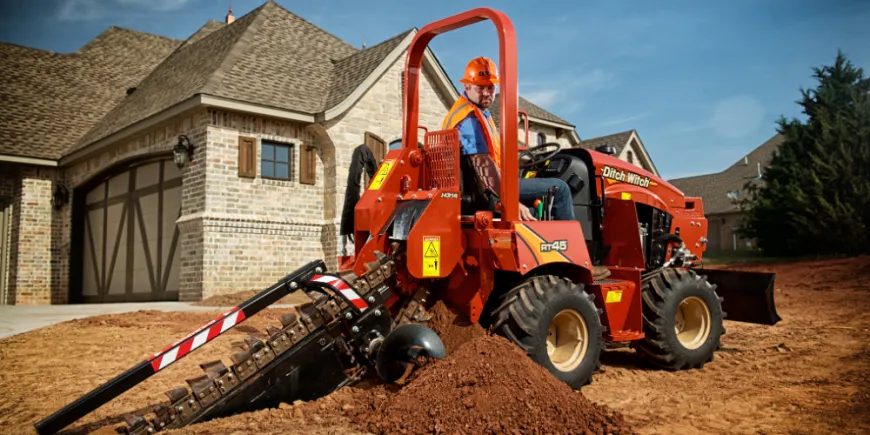
Ride-on trenchers are the workhorses for long utility runs and subdivision infrastructure. They balance depth and width capability with travel speed, traction, and attachment flexibility, which makes them essential when jobs require consistent production each day. On extended rural distribution or greenfield development, ride-ons maintain a steady trench profile and simplify spoil handling.
Contractors who know the Ditch Witch RT series will recognize models like the RT80 and RT125. The RT80 is a mid-size machine designed for challenging jobsites that require strength and precise control, and it pairs well with microtrenching or plowing attachments for tight urban corridors. The RT125 is a high-horsepower option for deeper, wider cuts or harder material, and is available in a Quad configuration for additional traction on soft or uneven ground.
When weather complicates access, quad platforms shine. Their traction helps maintain daily footage after storms, reducing the risk of long idle stretches that ripple through downstream crews and subcontractors.This reliability matters for public works schedules that are tied to bond or grant milestones.
Microtrenching for Fiber Installations and Urban Builds
Urban rights-of-way present a different set of variables. Traffic management, restoration standards, and underground congestion often make traditional trench widths difficult to justify. Microtrenching attacks those constraints with narrow, shallow cuts placed at the pavement edge.
The Ditch Witch microtrencher lineup includes models optimized for fiber builds and utility projects in dense environments. Narrow footprints, adjustable cutting depth and width, and high-speed trenching help reduce pavement impact and accelerate restoration.
Microtrenching reduces the volume of spoils and backfill material, shortens lane closure durations, and can simplify permit negotiations with municipalities that favor minimal surface disruption. When paired with a coordinated restoration plan and a vacuum excavator for rapid spoils removal, crews keep curb lanes open and residents happier.
Specialty Trenchers for Extreme Conditions
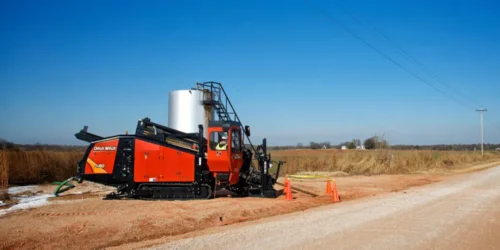
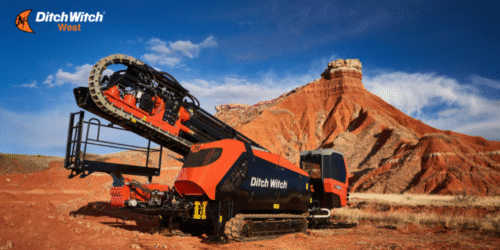
Some corridors present bedrock, hardpan, or abrasive materials that chew through standard chains. Ditch Witch West’s partnership with Mastenbroek adds heavy-duty rock trenchers and cable plows to the toolbox. Models purpose-built for deep trenching through rock use reinforced undercarriages and high-power cutting systems. High-torque plows provide productivity in soft to medium soils, an option that minimizes surface disruption for certain utility installations.
These machines cut out most of the pre-ripping and heavy hammer work, which means fewer mobilizations, better coordination with paving and striping crews, and less chance of changing orders when hard ground slows things down.
Parts & Service That Keep Fleets Digging
A dealer partner that stocks wear parts and has factory-trained technicians protects production targets. Ditch Witch West emphasizes fast access to parts, routine upkeep, and machine repairs across its stores, as well as financing.
Equipment Scoping Checklist
- Trench Geometry and Production Targets: Define width and depth with bedding and cover requirements, then set a realistic daily footage goal. This points you toward the appropriate class of ride-on or quad trencher and informs boom and chain selection.
- Right-of-Way Constraints: Note lane closures allowances, pedestrian access, and work-hour restrictions. Microtrenchers and compact ride-on units can reduce traffic control complexity in tight corridors.
- Soil and Surface Conditions: Verify geotechnical reports and field-test trouble segments. For rock or hardpan, consider specialized rock trenchers. For urban pavement with strict restoration, evaluate microtrenching.
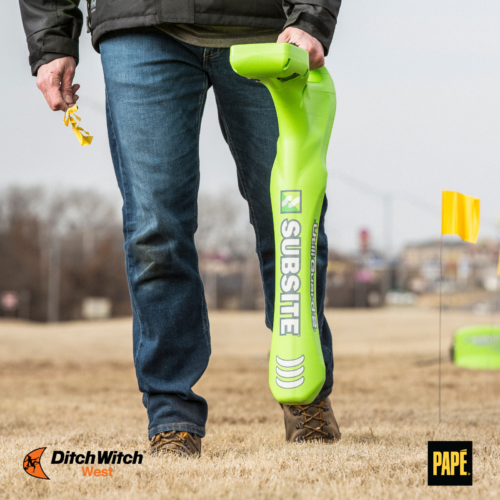
- Environmental and Utility Conflict Risks: Plan for vacuum excavation to daylight crossings and sensitive utilities. Align with inspection and locating tools to document as-builts and minimize strikes.
- Lifecycle Support: Confirm parts availability and service response. A dealer with a regional footprint helps keep multi-state projects on track.
Ready to Plan Your Next Trench Line?
If your next project includes long utility runs, urban fiber corridors, or rock-heavy stretches that threaten your schedule, it pays to match the machine to the mission. Explore ride-on trenchers for consistent daily production, lean on quad track models for difficult soils and access roads, deploy microtrenchers where traffic and restoration demand a surgical approach, and call in specialty trenchers for bedrock or high-abrasion segments.
Call Ditch Witch West today, and we’ll help you compare models, arrange demos, and secure parts so your crew keeps digging and your project keeps moving.