



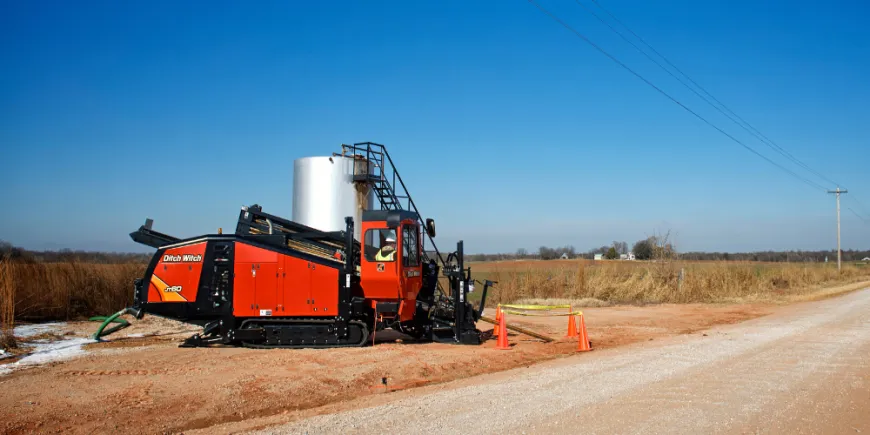
At Ditch Witch West, we understand that trenchless drilling, boring, and precise underground installation are more than just dig-and-install operations. They involve rigorous engineering, strict tolerance management, and a deep awareness of risk.
Below, we’ll unpack the key engineering considerations when planning underground installation beneath critical infrastructure and how the right equipment and partner support will help you complete projects safely, on-time, and on-budget.
Understanding the Critical Infrastructure Context
When boring beneath airports, freeways, railroads, or other major infrastructure, the margin for error is extremely small. Stopping traffic, affecting operations, or causing settlement can carry major safety, regulatory, and cost implications.
Your planning process must account for:
- Existing utilities, foundations, tunnels, pile systems, or abandoned structures
- Structural loading above the bore path (runway slabs, rail tracks, bridge supports)
- Geotechnical conditions: soil classification, obstructions, groundwater, perched tables
- Settlement and heave risk, including behavior of adjacent structures
- Access needs for rig assembly, equipment movement, and spoil handling
- Regulatory requirements, permits, and safety protocols
This high-stakes environment demands equipment, bore plans, and support systems that can withstand unpredictable conditions. Partnering with Ditch Witch West gives crews experienced backing and equipment optimized for demanding trenchless applications.
Bore Planning: Precision, Depth, and Alignment Control
One of the most critical factors in trenchless boring is maintaining alignment. When installing conduit beneath a runway or rail slab, even minor deviations can interfere with drainage infrastructure, utilities, or structural components.
Key steps in bore planning include:
- Pre-Bore Utility Survey and Locating: Identify existing utilities to avoid unintended impact.
- Geotechnical Investigation: Determine soil and rock conditions, groundwater table, potential obstructions, and design for contingency.
- Bore Path Design: Define depth, entry and exit points, curvature, radius limitations, and required cover under critical structures.
- Settlement Mitigation: Assess anticipated surface movement and implement techniques such as casing, internal bracing, or controlled grouting if needed.
- Machinery Selection: Choose rigs capable of the required depth, torque, thrust, accuracy, and bend radius.
At airports, railroads, and freeways, even small alignment slip-ups lead to delays and costly rework. Equipment proven in tough conditions reduces that risk.
Equipment Considerations for Large-Scale Infrastructure Projects
When you’re working around critical infrastructure, the equipment must be not only capable but optimized for high uptime, serviceability, and precision. Some key equipment considerations:
- Directional Drills and Horizontal Boring Rigs: Essential for long bores beneath infrastructure without disturbing surface operations. Ditch Witch West stocks directional drills and auger boring machines for large-scale utility installations.
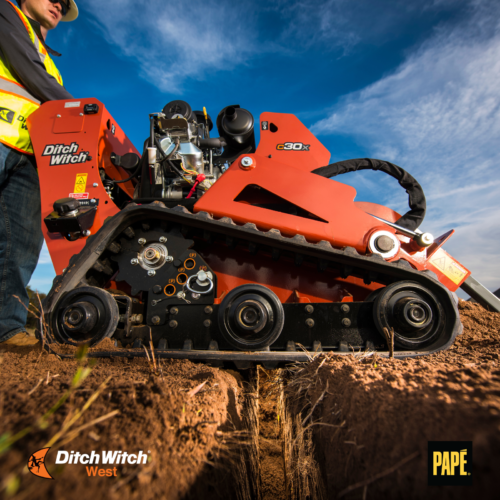
- Vibratory Plows and Micro-Trenchers: In some freeway installations, shallow vibratory plows may suffice (though, beneath critical structures, deeper bores are often required). Ditch Witch West’s trencher offerings include walk-behind, ride-on, quad, micro-trenchers, and vibratory plows.
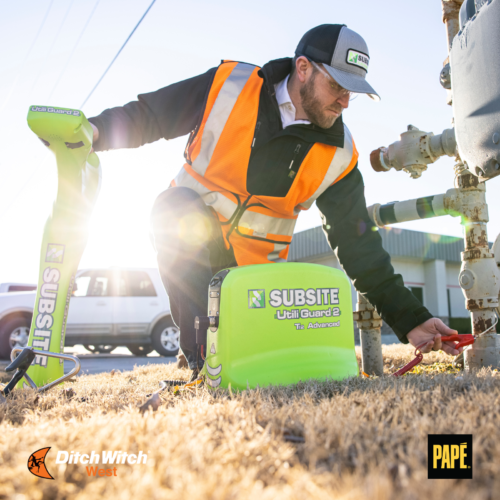
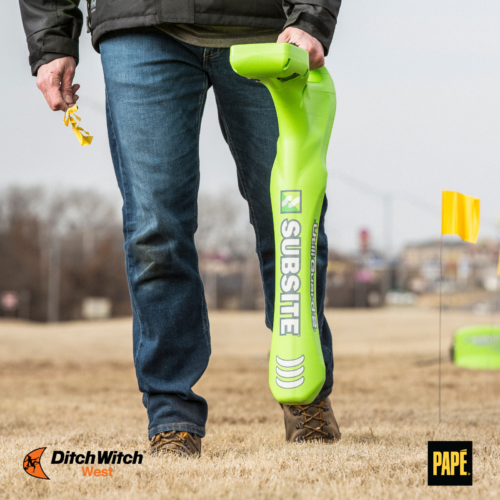
- Vacuum Excavators and Utility Locating Electronics: For potholing, verification, and avoiding existing utilities, you’ll need vacuum excavation and Subsite electronics for tracking and locating.
- Parts and Service Support: Downtime under a runway or rail line is extremely costly. We offer full service, parts, and 24/7 repair backing to keep you moving.
Managing Risk and Stakeholder Coordination
Boring under critical infrastructure often requires coordination among multiple agencies and stakeholders, including airport operations, railroads, DOTs, utilities, engineers, and inspectors.
Primary considerations include:
- Traffic & Access Coordination
Runway bores may be limited to overnight windows or low-traffic periods. Rail corridors often allow only short maintenance windows. Freeway projects may require lane closures and traffic management. - Safety & Compliance
Crews often work around high-voltage lines, pressurized utilities, heavy traffic, or active train systems. Equipment must meet stringent safety and operational standards. - Contingency Planning
Backup tooling, flexible spoil management, obstacle-handling capability, and rapid service response are essential. - Settlement Monitoring & Mitigation
Post-bore monitoring may be required.
Mitigation tools include sleeve casing, grout injection, or soil reinforcement. - Documentation & As-Builts
Many agencies require detailed bore logs, depth verification, telemetry data, and as-built documentation showing clear alignment and cover.
How Ditch Witch West Supports Airport, Railroad, and Freeway Projects
Ditch Witch West serves underground construction and utility contractors with:
- Comprehensive Equipment Fleet: Directional drills, auger boring machines, trenchers, vacs, microtrenchers, and plows
- Service, Parts & 24/7 Support: Multiple locations across the West ensure fast response
- Engineering Awareness: Our team understands the demands of trenchless installations near critical infrastructure
Backed by Ditch Witch’s engineering pedigree, our equipment is built for accuracy, safety, and productivity.
Final Thoughts
Boring beneath critical infrastructure is one of the most complex trenchless construction tasks. Precision alignment, strict safety requirements, and zero tolerance for surface disruption make planning and equipment selection essential.
For your next airport, railroad, or freeway crossing, partner with a team that understands the stakes. Contact Ditch Witch West and let us help you plan and execute your installation with confidence.